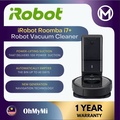

In a significant shift for the consumer robotics industry, iRobot, the pioneering American company behind the Roomba, has filed for Chapter 11 bankruptcy and agreed to be acquired by its Chinese contract manufacturer. This move marks the end of an era for a company that once defined the home robot vacuum category and highlights the intense competitive and regulatory pressures facing legacy tech firms.
The End of an American Robotics Pioneer
After 35 years in business, iRobot Corporation has officially filed for Chapter 11 bankruptcy protection. The company, which was founded in 1990 and became synonymous with robot vacuums through its Roomba line, will be acquired by Picea Robotics, its Shenzhen-based contract manufacturer. iRobot has stated that it aims to complete its reorganization by February 2026 and assures customers there will be no immediate disruption to app functionality, customer support, or supply chains. This bankruptcy filing concludes a difficult period for the company, which has struggled to maintain profitability in recent years amidst fierce competition and shifting market dynamics.
Key Timeline of iRobot's Decline
- 1990: iRobot is founded.
- 2002: Roomba robot vacuum is introduced.
- 2022 (August): Amazon announces agreement to acquire iRobot for USD 1.7 billion.
- 2024 (Early): The Amazon-iRobot acquisition is blocked by European regulators.
- 2025 (December 15): iRobot files for Chapter 11 bankruptcy and announces acquisition by Picea Robotics.
- 2026 (February - Target): Planned completion of Chapter 11 reorganization.
A Blocked Acquisition and a Strategic Vacuum
A pivotal moment in iRobot's decline was the collapse of its planned acquisition by Amazon. Announced in 2022, the USD 1.7 billion deal was seen by iRobot's leadership as a vital path to scale and compete globally. However, the acquisition faced intense regulatory scrutiny, particularly from European authorities concerned about market consolidation and data privacy, given Roomba's mapping capabilities. The deal was formally blocked in early 2024. In a statement released following the bankruptcy news, iRobot co-founder and former CEO Colin Angle called the outcome "profoundly disappointing" and "avoidable," arguing that regulatory opposition removed the company's most viable survival strategy and serves as a warning about the unintended consequences of intervention in a globally competitive landscape.
Statement from Colin Angle, iRobot Co-founder & Former CEO (Excerpt) "Today’s outcome is profoundly disappointing—and it was avoidable. This is nothing short of a tragedy for consumers, the robotics industry, and America’s innovation economy. Regulatory opposition to the Amazon–iRobot acquisition removed the most viable path for a pioneering American robotics company to scale and compete globally."
Market Saturation and Missed Innovations
iRobot's challenges were not solely external. The company faced a rapidly saturating market filled with aggressive, often China-based competitors like Roborock, ECOVACS, Dreame, and Shark. While the Roomba name held strong brand recognition, iRobot was frequently criticized for being slow to adapt to new consumer demands. Competitors integrated features like mopping capabilities and self-emptying dustbins more quickly and often at lower price points. iRobot's later attempts to innovate, such as the USD 1,300 Roomba Combo 10 Max or concepts involving pet treat dispensers, were seen by some as overly complex or misaligned with core user needs, failing to recapture significant market share.
Major Competitors in the Robot Vacuum Market
- Roborock (China)
- ECOVACS (China)
- Dreame (China)
- Shark (U.S., but products often manufactured by partners like Picea)
- Eufy (by Anker) (China)
- Matic (U.S.)
The Final Blow: Tariffs and Global Manufacturing
The decisive factor that pushed iRobot over the edge appears to have been geopolitical. Following the collapse of the Amazon deal, the company had shifted much of its manufacturing to Vietnam to control costs. However, tariffs levied on Vietnamese imports, reportedly up to 46%, drastically increased the cost of bringing Roomba vacuums into the U.S. market. This price hike, coming on top of existing competitive pressures, made iRobot's products even less attractive to consumers and destroyed its already thin profit margins. This situation underscores how trade policies can directly impact the fortunes of specific companies in a globalized supply chain.
The Future Under Picea Robotics
The acquisition by Picea Robotics represents a full-circle moment and a fundamental change in ownership. Picea, which already manufactured all of iRobot's products, is a major OEM for several other vacuum brands, including Shark and Anker's Eufy. With the acquisition, one of the last major non-Chinese robot vacuum brands will now be Chinese-owned. The industry will be watching closely to see if Picea simply uses the Roomba brand to sell its existing product designs or attempts to reinvigorate iRobot's innovation pipeline. The broader home robotics market continues to evolve, with companies experimenting with AI integration, advanced computer vision, and even robotic arms, though the quest for a truly practical and affordable multifunctional home robot continues.