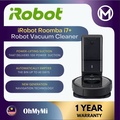
The iconic American robotics company iRobot, creator of the pioneering Roomba vacuum, has filed for Chapter 11 bankruptcy protection. In a dramatic turn of events, the firm will be acquired by its primary Chinese supplier, Shenzhen Picea Robotics, marking a significant shift in ownership and future direction for a brand that once dominated the home robotics market. This move comes after years of mounting financial pressure from intense competition, rising costs, and a failed acquisition attempt.
The End of an Era for a Robotics Pioneer
Founded in 1990 by MIT engineers, iRobot initially focused on defense and space robotics before revolutionizing the consumer market with the launch of the Roomba in 2002. The device quickly became synonymous with robot vacuums, achieving a dominant market share of approximately 42% in the U.S. and 65% in Japan at its peak. The company's valuation soared to USD 3.56 billion in 2021, fueled by pandemic-driven demand for home automation products. However, this period of success proved to be a high-water mark, with the company's fortunes declining sharply in the years that followed.
iRobot Financial Timeline & Key Events
- 1990: iRobot founded by MIT engineers.
- 2002: Roomba robot vacuum launched.
- 2021: Company valuation peaks at USD 3.56 billion.
- 2022: Amazon acquisition offer blocked by EU regulators.
- 2025 (Bankruptcy Filing):
- Revenue (previous year): ~USD 682 million.
- Valuation at filing: USD 140 million.
- Debt to Picea Robotics: USD 352 million (USD 91 million past due).
- Estimated 2025 tariff cost impact: USD 23 million.
A Perfect Storm of Financial Pressures
iRobot's path to bankruptcy was paved by a confluence of challenging factors. Intense competition from lower-cost rivals, particularly Chinese manufacturers like Ecovacs Robotics, forced iRobot to lower prices and increase spending on research and development, squeezing its profit margins. Furthermore, U.S. import tariffs, part of a trade regime initiated during the Trump administration, dealt a severe blow. With most of its devices for the American market manufactured in Vietnam, iRobot faced a 46% duty, which ballooned its costs by an estimated USD 23 million in 2025 alone. These tariffs created significant financial uncertainty and planning difficulties for the company.
The Failed Amazon Deal and Subsequent Decline
A potential lifeline emerged in 2022 when Amazon proposed an acquisition of iRobot. This deal, which could have provided the capital and ecosystem support needed to compete, was ultimately blocked by the European Union over antitrust concerns. The collapse of this agreement accelerated iRobot's decline. In its aftermath, the company outsourced its manufacturing to Picea and moved engineering operations overseas in a cost-cutting measure. By the time of the bankruptcy filing on December 15, 2025, iRobot's valuation had plummeted to just USD 140 million.
Acquisition by Picea Robotics: A New Chapter
The bankruptcy proceedings have resulted in a complete acquisition by Shenzhen Picea Robotics. iRobot owes its supplier approximately USD 352 million, with about USD 91 million past due. As part of the restructuring agreement, Picea will receive 100% of the equity interest in iRobot, effectively taking ownership. Picea, also known as 3irobotix, is a major original design manufacturer (ODM) based in Shenzhen and is already the contract manufacturer for brands like Shark and Anker's Eufy. The company stated that iRobot's operations, including its app, supply chains, and product support, are expected to continue without interruption during the transition.
About the Acquirer: Shenzhen Picea Robotics (3irobotix)
- Type: Original Design Manufacturer (ODM) and contract manufacturer.
- Founded: 2016.
- Headquarters: Shenzhen, China.
- Operations: Production and R&D in China and Vietnam.
- Other Clients: Manufactures robot vacuums for brands like Shark and Anker (Eufy).
- Own Brand: Markets robot vacuums under the "3i" brand.
What This Means for Roomba Owners
For existing Roomba users, the immediate impact of the bankruptcy and acquisition is expected to be minimal. iRobot has assured customers that business will continue as usual, with firmware updates and bug fixes ongoing. The robots will not suddenly cease to function. However, the long-term identity and innovation trajectory of the Roomba brand are now in question. The acquisition by a manufacturing-focused ODM like Picea suggests a potential shift away from iRobot's previous software-centric development model. Recent product releases had already shown signs of cost-cutting, such as moving from premium materials to cheaper alternatives.
The Risks of a Cloud-Dependent Future
The situation highlights a critical vulnerability for modern smart home devices: cloud dependency. Unlike some competitors that store mapping and control data locally, many recent Roomba models rely heavily on iRobot's cloud servers for core functions. Had the company faced a complete shutdown instead of a buyout, users would have lost access to the Roomba app, smart mapping, saved maps, geofencing, and third-party integrations. While basic manual controls would remain, the device's functionality would be severely diminished, turning a sophisticated robot into a simple, pre-programmed cleaner.
Looking Ahead: Survival in a Crowded Market
The survival of the Roomba brand now hinges on Picea's ability to restructure and reposition it in an incredibly competitive market. The new owner must balance cost-effectiveness with innovation to win back consumers who have flocked to brands offering advanced features at lower price points. While the iconic Roomba name is likely to persist, its future products may bear little resemblance to the high-end devices that built its reputation. The story of iRobot serves as a cautionary tale about the challenges of maintaining market leadership against agile competitors and navigating complex geopolitical trade landscapes.