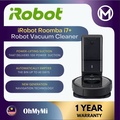
The landscape of the home robotics market has shifted dramatically with the news that iRobot, the pioneering company behind the iconic Roomba vacuum cleaner, has filed for Chapter 11 bankruptcy protection. This move marks a significant fall from grace for a brand that once dominated the robotic vacuum space. The company's restructuring will see it acquired by its primary manufacturer and lender, China-based Picea Robotics, in a deal that aims to salvage the business but raises questions about the future of innovation and data handling for the American-born brand.
The Path to Bankruptcy and Acquisition
iRobot's decline was not sudden but the result of a perfect storm of market pressures and strategic missteps. The company's market value tells a stark story, plummeting from a peak of USD 3.56 billion in 2021 to approximately USD 140 million at the time of filing. A critical blow came in 2024 when a proposed USD 1.7 billion acquisition by Amazon collapsed due to antitrust concerns from European regulators. This failed deal left iRobot financially exposed and without a strategic lifeline. Compounding these issues were post-pandemic supply chain disruptions and a crippling 46% U.S. tariff on goods from Vietnam, where Picea manufactures most Roombas, which cost the company USD 23 million. As part of the bankruptcy agreement, Picea Robotics will assume full control of iRobot, canceling USD 190 million in debt it recently purchased, along with tens of millions more that iRobot directly owed.
Market Value Decline: iRobot's market value crashed from USD 3.56 billion in 2021 to ~USD 140 million at the time of its bankruptcy filing in December 2025.
Stagnation in the Face of Fierce Competition
A central theme in iRobot's downfall was its inability to keep pace with innovation, particularly from Chinese competitors. CEO Gary Cohen admitted the company failed to adapt, stating, "We neither innovated nor launched more competitive products." While iRobot invented the category and still holds a 42% share of the U.S. market, its global dominance has evaporated. According to IDC data, iRobot's share of the global home robot vacuum market fell from 50% in 2017 to just 7% in the first nine months of 2025. Companies like Roborock and Ecovacs surged ahead, offering more advanced features like combined vacuuming and mopping capabilities at lower price points. Cohen acknowledged that the company's focus on the Amazon deal caused a four-year innovation stall, during which rivals decisively overtook them in sensor technology and functionality.
Global Market Share Erosion (IDC Data):
- 2017: 50%
- Jan-Sept 2025: 7%
The Road Ahead Under New Ownership
For current Roomba owners, iRobot has assured that existing products and customer service will continue to function. The worst-case scenario, as previously reported, would be a loss of cloud connectivity and app support if Picea decides to strip the company for parts. Looking forward, the restructured iRobot plans to retain its brand name and global sales network, with its headquarters and marketing remaining in the United States. Cohen highlighted the company's unique retail channel strength as a key advantage. He also addressed data privacy concerns, stating the company "will not change any existing policies," and that data will continue to be stored on servers within their respective regions, with the U.S. remaining the core base for cloud services and app development.
Regional Performance:
- United States: Holds 42% market share for robotic vacuums (as of filing).
- Japan: Holds 60% market share, remains profitable. Contributed 17% of total sales in Q3 2025.
A Niche Stronghold and Human Costs
Despite its global struggles, iRobot maintains a profitable stronghold in Japan, where it commands a 60% market share. This region contributed 17% of the company's total sales in Q3 2025, second only to the U.S., and will see new product launches in the spring of 2026. The human cost of the bankruptcy has been severe, with iRobot having already laid off 31% of its employees prior to the filing. Cohen framed the bankruptcy decision as a necessary step to save the remaining 500 jobs and allow the company to "start anew." The company will be delisted from the Nasdaq, resulting in significant losses for investors, including Cohen himself, who called the situation "less than ideal" but necessary for survival.
The story of iRobot serves as a cautionary tale about the volatility of the tech industry, where market leadership can be rapidly eroded by faster-moving competitors and regulatory hurdles. Its acquisition by its Chinese manufacturer symbolizes a broader shift in the global balance of power in consumer robotics, moving from invention to manufacturing-scale execution.