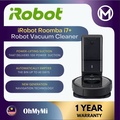
The pioneering robot vacuum company iRobot, creator of the iconic Roomba, has filed for Chapter 11 bankruptcy protection. This marks a dramatic fall for a firm that once dominated the home robotics market. The company's assets and operations are set to be acquired by China-based Picea Robotics, a former supplier, in a move aimed at securing iRobot's future. This article explores the sequence of events that led to this pivotal moment, the immediate implications for Roomba owners, and what the acquisition might mean for the brand's legacy.
iRobot Enters Chapter 11, Announces Acquisition by Picea Robotics
On December 15, 2025, iRobot officially filed for Chapter 11 bankruptcy protection in the United States. Concurrently, the company announced it had reached an agreement to be acquired by Picea Robotics, a Chinese manufacturer that was previously a key supplier to iRobot. CEO Gary Cohen described the move as a "pivotal milestone" necessary to secure the company's long-term future. iRobot has assured customers that, for now, there will be no disruption to app functionality, customer support, or supply chain relationships, meaning existing Roombas should continue to operate normally.
A Perfect Storm of Market Pressure and Failed Deals
iRobot's decline was not caused by a single event but by a confluence of competitive and financial pressures. The company, which held an 80-90% share of the U.S. robot vacuum market just a few years ago, saw its dominance erode rapidly. Aggressive competition from Chinese manufacturers like Roborock, EcoVacs, and Dreame offered consumers more feature-rich vacuums at lower price points. By some estimates, iRobot's U.S. market share had plummeted to around 25% by late 2025. The company attempted to reinvent itself with a refreshed, cheaper product line, but it was too little, too late.
iRobot's Market Share Decline (U.S.)
- Late 2010s: 80-90%
- 2021: ~70%
- 2022: ~40%
- Late 2025 (Estimate): ~25%
The Collapse of the Amazon Lifeline
A potential salvation emerged in 2022 when Amazon agreed to acquire iRobot for USD 1.4 billion. This deal would have provided the capital and ecosystem iRobot desperately needed. However, after a lengthy regulatory review, the European Union indicated it would block the acquisition over monopoly concerns. With Amazon unwilling to make the necessary concessions, the deal was formally abandoned in early 2024. This failure was a catastrophic blow, coming after iRobot had taken on significant debt—reportedly USD 190 million—apparently in anticipation of the Amazon deal going through.
Key Financial Events
- 2022: Amazon agrees to acquire iRobot for USD 1.4 billion.
- 2024: EU blocks Amazon deal; iRobot reports 44% YoY revenue decline, cuts 31% of workforce.
- 2025 (Dec 15): Files for Chapter 11 bankruptcy; announces acquisition by Picea Robotics.
Tariffs and Financial Struggles Deliver the Final Blow
Already reeling from market share loss and the failed Amazon deal, iRobot faced another severe headwind: international tariffs. In an effort to avoid U.S. tariffs on Chinese goods, iRobot had shifted some production to Vietnam. This strategy backfired when new tariffs of approximately 46% were levied on Vietnamese imports, severely impacting iRobot's cost structure. The combined weight of these challenges led to a devastating 44% year-over-year revenue decline in Q4 2024, followed by a 31% reduction in its workforce and the resignation of its then-CEO.
What the Picea Acquisition Means for Roomba Owners
For current Roomba owners, the immediate future looks stable. iRobot and Picea have stated that product support and app functionality will continue without anticipated disruption. The long-term strategy for the Roomba brand under its new owner, however, remains unclear. Picea Robotics is primarily a manufacturing partner for other brands, including Philips, LG, and Dyson. It remains to be seen whether Picea will continue to innovate under the Roomba name, merge it with its own 3i brand, or phase it out entirely. The concern for enthusiasts is whether their devices will become unsupported "paperweights" in the coming years.
Major Competitors Contributing to Market Share Loss
- Roborock
- EcoVacs (DeeBot)
- Dreame
- Switchbot
The End of an Era in Consumer Robotics
The story of iRobot is a cautionary tale in the fast-paced tech industry. The company invented a product category and enjoyed a near-monopoly for years, but ultimately fell victim to complacency, fierce global competition, and unfortunate geopolitical and regulatory circumstances. While the Roomba name may live on under Picea's ownership, the bankruptcy marks the end of iRobot as an independent pioneer. Its journey from market creator to acquisition target underscores the relentless nature of innovation and competition in the global smart home market.