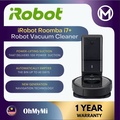
In a significant turn of events for the smart home industry, iRobot, the pioneering company behind the iconic Roomba robot vacuum, has filed for Chapter 11 bankruptcy protection. This move marks a dramatic shift for a firm that once defined the category, culminating in a planned acquisition by its primary manufacturer. The development raises questions about the future of a beloved brand and highlights the intense competitive pressures reshaping the consumer robotics market.
The End of an Era for a Robotics Pioneer
Founded in 1990 by a trio of MIT roboticists, iRobot launched the first Roomba in 2002, transforming the disc-shaped device into a household name synonymous with robot vacuums. For over two decades, the company stood as a leader in consumer robotics. However, its fortunes have sharply declined in recent years. The company's struggles intensified following the pandemic, which brought supply chain disruptions, and were compounded by fierce competition from cheaper rivals, primarily from China. A potential lifeline appeared in 2022 when Amazon agreed to acquire iRobot for USD 1.7 billion, but the deal collapsed in January 2024 after failing to secure approval from European Union regulators. The termination left iRobot with a USD 94 million fee, part of which was used to pay down a USD 200 million loan, but it was not enough to stabilize the faltering business.
Key Financial Timeline & Stock Performance
- 2021: iRobot stock trades at a high of approximately USD 133.
- 2022: Amazon agrees to acquire iRobot for USD 1.7 billion.
- Jan 2024: Amazon deal collapses due to EU regulatory concerns. iRobot receives a USD 94 million termination fee.
- Mar 2025: iRobot warns it may not survive the next 12 months.
- Jun 2025: Company reports cash reserves of USD 46.6 million.
- Nov 2025: Stock price falls to USD 1.40; cash reserves drop below USD 25 million.
- Dec 15, 2025: Files for Chapter 11 bankruptcy and announces acquisition by Picea.
A Bankruptcy Filing with a Built-in Rescue Plan
On December 15, 2025, iRobot filed for Chapter 11 bankruptcy in the District of Delaware. Unlike a Chapter 7 liquidation, Chapter 11 is designed for reorganization, allowing a company to continue operating while it restructures its debts. In iRobot's case, the reorganization plan is centered on a pre-arranged acquisition. The company will be wholly acquired by its China-based contract manufacturer, Shenzhen Picea Robotics, and its subsidiary, Santrum Hong Kong, collectively known as Picea. This transaction, pending court approval, will transition iRobot into a privately held company, and its common stock will be delisted from the NASDAQ exchange. The deal is structured to provide the capital and operational stability iRobot desperately needs, having warned investors as recently as March that it might not survive another year.
The Picea Acquisition Deal
- Acquiring Entity: Shenzhen Picea Robotics Co. Ltd. and Santrum Hong Kong Co. Ltd. (collectively "Picea").
- Deal Structure: 100% acquisition of iRobot's business.
- Result: iRobot becomes a privately held company. Its common stock will be delisted from public exchanges.
- Stated Purpose: To allow iRobot to continue operations, invest in R&D, and fix its balance sheet.
What This Means for Roomba Owners and the Brand's Future
For the millions of Roomba owners worldwide, iRobot has issued assurances that the transition should be seamless. The company states there are "no anticipated disruptions" to app functionality, customer support programs, or product warranties. The core message is that the Roomba brand and products are not disappearing. Under the new ownership, iRobot plans to continue its operations, product development, and global partnerships. CEO Gary Cohen expressed optimism, stating that combining iRobot's design and R&D with Picea's manufacturing expertise will equip the company to "shape the next era of smart home robotics." The immediate goal is to fix the company's balance sheet and restore its ability to invest in next-generation innovations.
The Financial Descent That Led to Chapter 11
The path to bankruptcy was paved by a series of financial setbacks. iRobot's revenue shrank rapidly, falling "well below expectations" in the third quarter of 2025 due to market headwinds, production delays, and shipping disruptions. This forced the company to burn through its cash reserves, which dwindled from USD 46.6 million in late June to less than USD 25 million by November. The company's stock price, which peaked at around USD 133 in 2021, plummeted to just USD 1.40, reflecting a catastrophic loss of investor confidence. The failed Amazon acquisition was the final blow, stripping away the capital infusion needed to compete effectively in an increasingly crowded and price-sensitive market.
Looking Ahead in a Transformed Market
The story of iRobot's bankruptcy is more than the tale of a single company's decline; it is a case study in market evolution. The company that created and dominated the robot vacuum segment ultimately could not withstand the pressure from agile, cost-competitive manufacturers. Its transition to private ownership under a manufacturing partner represents a strategic retreat and a bid for survival. Whether this new structure will allow iRobot to recapture its innovative edge and market share remains an open question. For now, the Roomba lives on, but the company that built it will operate in a fundamentally different form, marking the end of a distinct chapter in the history of consumer robotics.