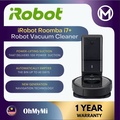
In a significant shift for the consumer robotics industry, iRobot, the pioneering company behind the iconic Roomba vacuum, has filed for Chapter 11 bankruptcy protection. The move, announced on December 15, 2025, marks the end of an era for the 35-year-old American firm and signals a major consolidation in the smart home market, with its future now tied to a Chinese contract manufacturer.
The End of an American Robotics Pioneer
After 35 years of operation, iRobot voluntarily entered a pre-packaged Chapter 11 bankruptcy process in the District of Delaware. The Massachusetts-based company, founded in 1990, became a household name with the launch of its first Roomba robot vacuum in 2002. For over two decades, "Roomba" was synonymous with robotic cleaning, much like Kleenex is for tissues. However, the company has struggled in recent years against intense competition from lower-priced Chinese rivals such as Ecovacs and Roborock. Its financial woes were compounded by significant U.S. tariffs, including a reported 46 percent tariff on products manufactured in Vietnam, which hit iRobot's supply chain hard. The company's estimated assets at the time of filing were between USD 100 million and USD 500 million.
Key Financial Figures from iRobot's Bankruptcy:
- Estimated Assets: USD 100 million - USD 500 million
- Debt Waived by Picea: USD 190 million (loan) + USD 161.5 million (manufacturing) = USD 351.5 million total
- Expected Bankruptcy Completion: February 2026
A Lifeline from Contract Manufacturer Picea Robotics
As part of its restructuring, iRobot will be acquired in its entirety by its contract manufacturer, Shenzhen Picea Robotics. The Chinese firm, also known as 3irobotix, is one of the world's largest original design manufacturers (ODM) for robot vacuums. Picea had already assumed iRobot's USD 190 million loan earlier in December 2025. Under the bankruptcy terms, Picea will waive that debt along with an additional USD 161.5 million that iRobot owes for manufacturing, in exchange for full ownership. iRobot's CEO, Gary Cohen, stated the transaction is a "pivotal milestone in securing iRobot’s long-term future" and is expected to strengthen the company's financial position. The bankruptcy process is anticipated to be completed by February 2026.
About the Acquirer: Picea Robotics (3irobotix)
- Type: Original Design Manufacturer (ODM)
- Headquarters: Shenzhen, China
- Claimed Production: Over 20 million robotic vacuum cleaners sold.
- Known Partners/Manufacturing Clients: iRobot, Shark, Anker (Eufy brand). Rumored to manufacture for Dyson.
- Own Product Line: 3i brand robot vacuums.
- Notable Technology: Subsidiary (Picea Motion) develops harmonic drives for robotics.
What This Means for Roomba Owners and the Future of the Brand
For the millions of customers worldwide who own a Roomba, iRobot has assured that operations will continue with "no anticipated disruption." This includes app functionality, customer support programs, supply chain relationships, and ongoing product support. The company insists that, for now, Roombas will continue to clean floors as normal. However, the long-term future of the Roomba product line under Picea's ownership remains uncertain. The recent generation of Roombas, developed in partnership with Picea, has been noted by reviewers to share significant design DNA with Picea's own 3i brand vacuums and other generic, lidar-based competitors, a departure from iRobot's original proprietary navigation technology.
iRobot Timeline:
- 1990: Company founded.
- 2002: First Roomba robot vacuum launched.
- 2022: Planned acquisition by Amazon falls apart under regulatory scrutiny.
- Jan 2024: Partners with Picea Robotics as contract manufacturer.
- 2025: Launches new line of Roombas developed with Picea.
- Dec 15, 2025: Files for Chapter 11 bankruptcy, announces acquisition by Picea.
The Broader Market Shift to Chinese Dominance
iRobot's bankruptcy and acquisition underscore a decisive power shift in the global robot vacuum market. The dominance of Chinese-owned brands and manufacturers is now nearly complete. Picea Robotics itself is a formidable player, claiming to have manufactured and sold over 20 million robotic vacuum cleaners for various brands, including Shark and Anker's Eufy. Rumors even suggest it manufactures the new Dyson Spot & Scrub Ai. Picea's own flagship 3i S10 Ultra vacuum features advanced technology like a water-recycling system and smart dirt-scanning, showcasing the innovation now originating from these manufacturers. iRobot's story serves as a cautionary tale about the challenges of maintaining market leadership against agile, cost-competitive manufacturing giants.