
In a move that blurs the line between smartphone and autonomous companion, Honor is pushing forward with one of its most ambitious hardware projects to date. Following a teaser that sparked both excitement and skepticism, new information confirms the company's "Robot Phone" is not just a concept but a product slated for commercial release. This development signals a bold step into a new category of AI-integrated devices, aiming to redefine how users interact with mobile technology for content creation and beyond.
From Concept to Consumer Reality
The journey of the Honor Robot Phone is transitioning from speculative prototype to tangible product. According to leaks from industry sources, including the well-known Weibo tipster SmartPikachu, Honor has entered the mass production countdown phase for this innovative device. The company plans to commence sales in the first half of 2026, with a potential global unveiling scheduled for the Mobile World Congress (MWC) in Barcelona in March. This timeline marks a significant commitment from Honor, moving past the stage of mere technical demonstration to deliver a functional consumer product. While the exact launch markets—whether global or initially limited to China—remain unconfirmed, the intent to sell this complex device is now clear.
Key Specifications & Features (Based on Available Information):
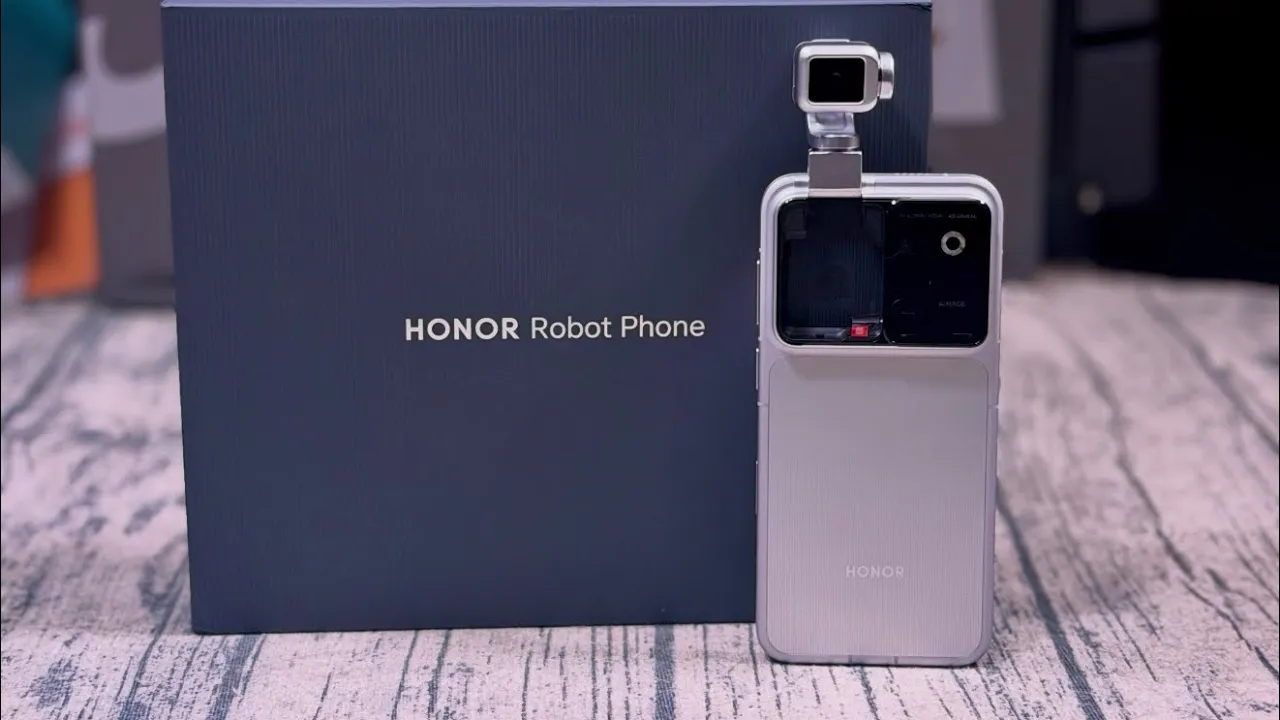
- Product Name: Honor Robot Phone
- Status: In mass production countdown.
- Expected Launch Period: First half of 2026 (Potential August launch hinted).
- Key Reveal Event: Mobile World Congress (MWC) Barcelona, March 2026.
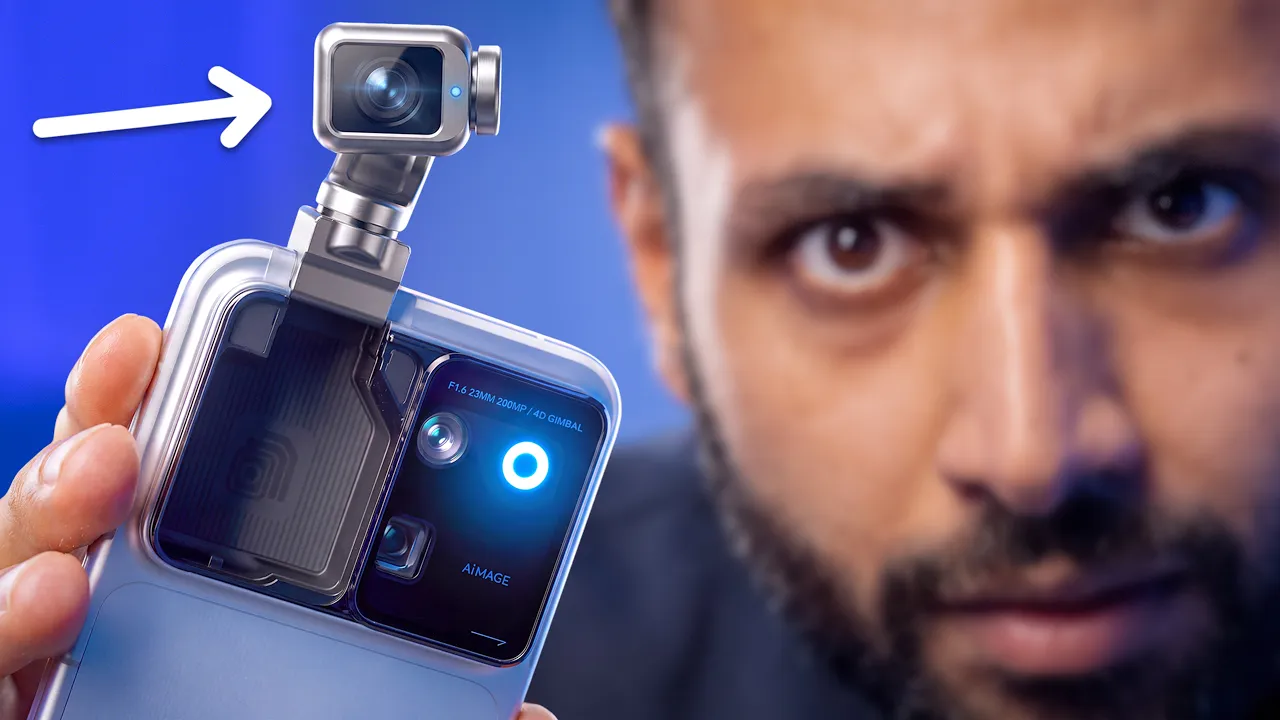
- Core Innovation: Integrated mechanical gimbal camera system ("robot head").
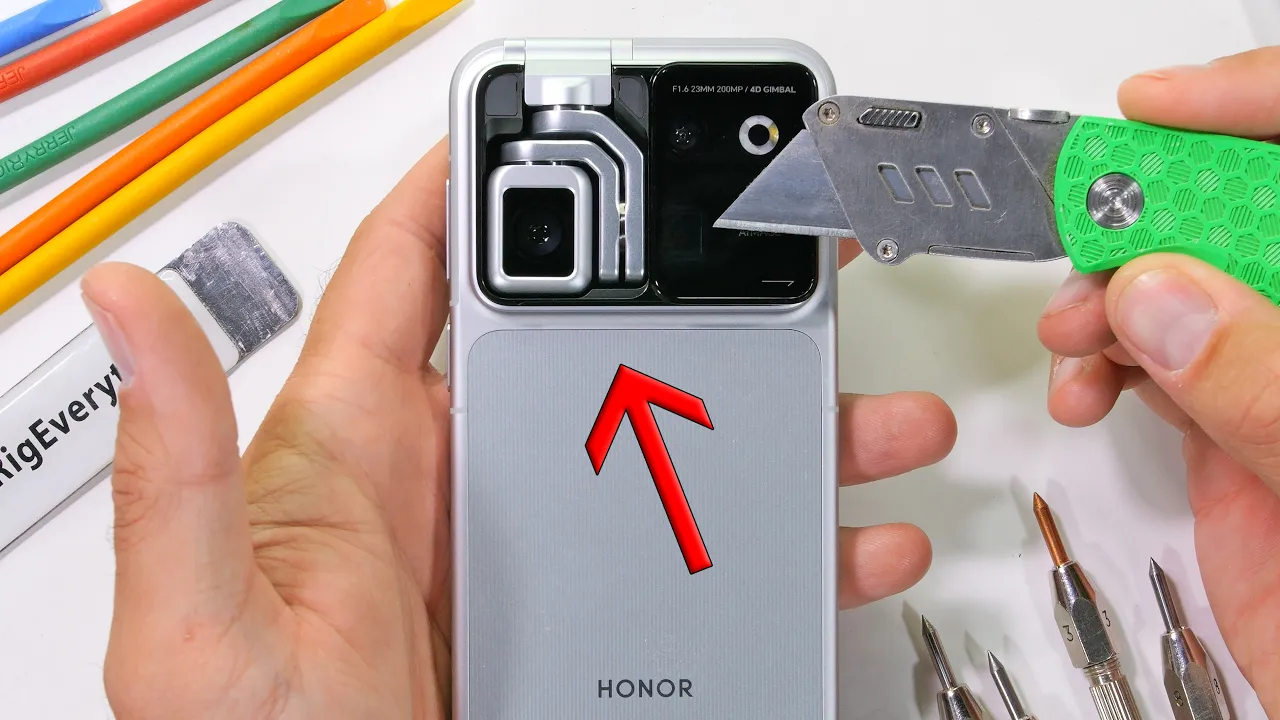
- Mechanical Function: 360-degree rotating, tracking camera that extends from the body via a sliding glass cover and flip mechanism.
- Primary Use Case: Hands-free vlogging, live streaming, adventure/action recording.
- AI Capabilities: Advanced image recognition with reported emotion detection; contextual, interactive AI assistant.
- Strategic Role: "Seed product" for Honor's AI terminal ecosystem and part of its "Alpha Strategy."
- Historical Context: Evolved from concepts in Honor Magic8 series; company acknowledges lessons from past mechanical designs like Honor 7i and Magic2.
A Design Built for Dynamic Content Creation
At the heart of the Robot Phone's innovation is its unique mechanical form factor, designed explicitly for hands-free, dynamic filming. The device features a sophisticated, integrated gimbal camera system that can physically extend from the main body. This "head," reminiscent of devices like the DJI Osmo Pocket, is mounted on a hidden mechanical arm, allowing for 360-degree rotation and subject tracking. The design utilizes a combination of a glass sliding cover and a mechanical flip structure, enabling the camera module to transition seamlessly from a standard rear-facing position to a forward-protruding one. This eliminates the need for external stabilizers, offering creators a self-contained tool for vlogging, live streaming, and adventure recording directly from a shirt pocket or a mounted position.
The AI "Brain" Behind the Mechanics
Honor positions AI as the true cornerstone of this device, going beyond mere hardware novelty. The Robot Phone is expected to be equipped with advanced AI image recognition models capable of sophisticated tasks like emotion detection. This, combined with its physical ability to pivot and "look" at its surroundings—including the user—aims to create a more interactive and intuitive experience. The goal is to move AI interaction beyond text-based chatbots, offering a semblance of the proactive, contextual assistants often depicted in science fiction. This focus on AI as a core utility, rather than just a marketing buzzword, is consistent with Honor's broader strategy, which has seen AI deeply integrated into flagship phone features for image optimization and contextual task execution.
Navigating the Challenges of Mechanical Innovation
Honor's foray into radical mechanical design is not without its historical precedents and inherent risks. The article itself references past experiments like the Honor 7i and the sliding mechanism of the Magic2, which were not sustained in the market. These examples serve as cautionary tales for the Robot Phone project. The primary hurdles will be engineering durability and ensuring robust sealing against dust and moisture—common failure points for moving parts in mobile devices. Success will depend on Honor's ability to learn from these "historical lessons," proving that the complex mechanics are reliable for daily use over the product's lifespan. Furthermore, the AI algorithms and the physical form must be perfectly harmonized to serve genuine user needs in core scenarios like content creation, avoiding the pitfall of becoming a gimmicky "technology showcase" that fails to offer practical, sustained value.
A Strategic Gamble in a Competitive Market
The development of the Robot Phone represents a high-stakes strategic play for Honor. Dubbed a "seed product" for its AI terminal ecosystem, it is a key part of the company's "Alpha Strategy" to differentiate itself in the crowded high-end smartphone market. By creating a new product category that merges robotics, advanced imaging, and contextual AI, Honor is attempting to carve out a unique niche and reshape competitive dynamics. However, the path is fraught with challenges. The device must convince consumers of its utility beyond novelty, justify what will likely be a premium price point, and overcome natural skepticism about the longevity of intricate moving parts. If successful, it could indeed spark a minor revolution in device form factors; if not, it risks being remembered as another ambitious but fleeting experiment in smartphone evolution.