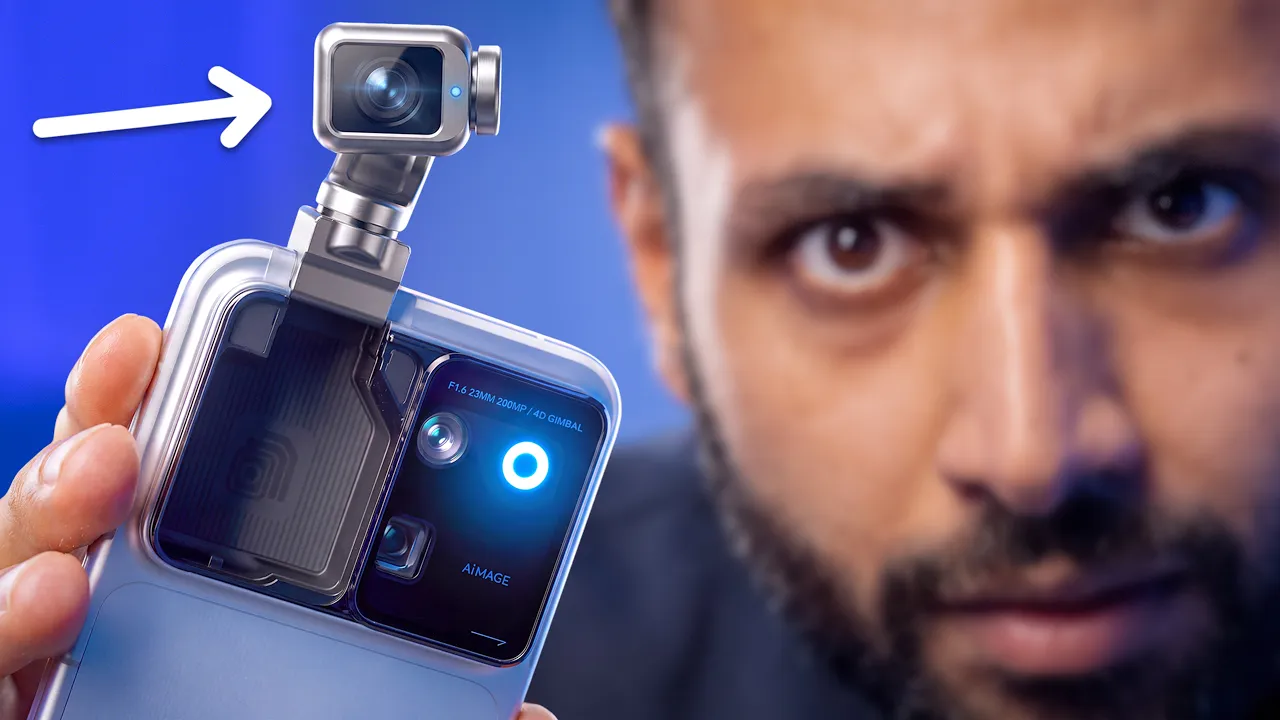
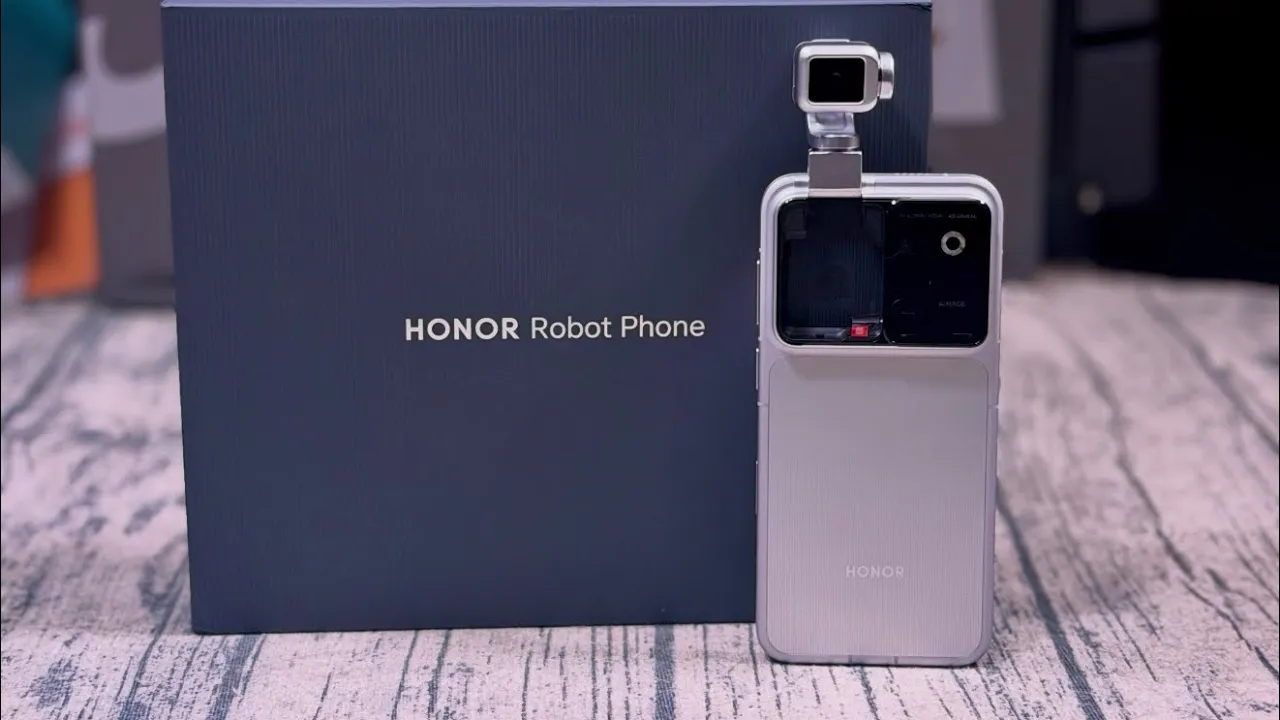
At CES 2026, Honor is pushing the boundaries of smartphone design with a concept that feels plucked from science fiction. The company is offering a tangible, if non-functional, glimpse of its long-teased "Robot Phone," a device that replaces a traditional fixed rear camera with a fully articulated, three-axis gimbal arm. This sneak peek confirms that what was once a wild idea is now a physical prototype, with a formal launch slated for MWC in early March 2026. The promise is a smartphone that can physically track subjects and offer unparalleled stabilization, but the real-world utility of such a complex mechanism remains the central question.
Key Event Timeline:
- CES 2026 (Now): Non-functional hardware prototype revealed.
- MWC 2026 (Early March): Planned formal launch with functional unit and full specifications.
- Post-MWC 2026: Expected commercial sales launch.
The Engineering Marvel of a Pocket-Sized Gimbal
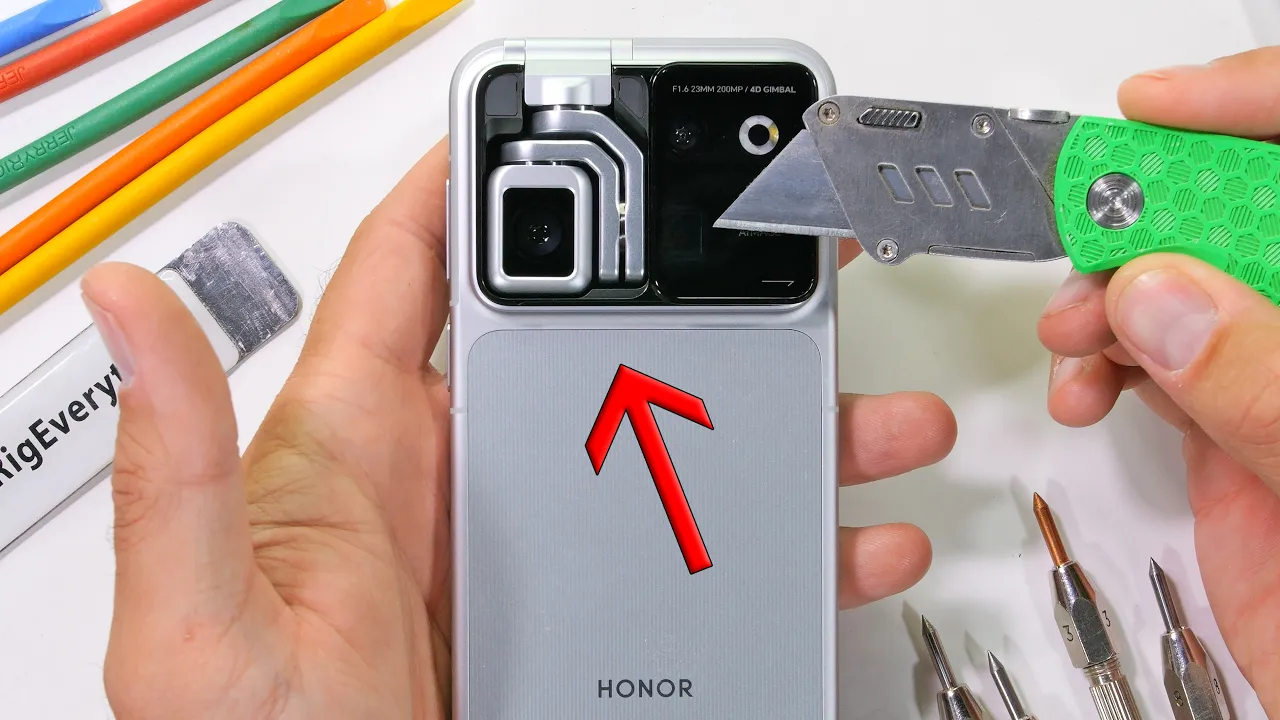
Seeing the Honor Robot Phone in person is an exercise in appreciating miniaturization. The core innovation is a compact, three-axis gimbal mechanism that folds neatly into the phone's chassis. When retracted, a sliding protective panel seals the hardware away, safeguarding the delicate articulated arms. Upon activation, this panel slides aside, and the gimbal elegantly extends, ready for action. The engineering challenge of fitting this mechanical system into a device that must still be pocketable is immense, and Honor's prototype suggests significant progress. The space dedicated to the gimbal's housing is substantial, a testament to how efficiently other internal components like batteries and processors have been shrunk over the years.
Known Hardware Features:
- Main Innovation: A 3-axis mechanical gimbal that extends from the phone's body.
- Protection: A sliding panel automatically covers the gimbal and two additional fixed cameras when retracted.
- Design: Can be used upright (in hand, on a stand) or lying face-down to deploy the gimbal.
- Other Cameras: Two fixed rear camera modules (specs unknown) positioned beside the gimbal housing.
Potential Use Cases Beyond a Fancy Webcam
Honor's vision for the Robot Phone extends far beyond simple stabilization. The company hints at software features that leverage the gimbal's unique mobility. For instance, placing the phone screen-down on a table allows the camera to pop up and track a person moving around a room, ideal for hands-free video calls or content creation. Promotional materials suggest AI-powered applications like a virtual outfit assistant, where the phone could orbit the user to provide a 360-degree fit check. More whimsical concepts, like a "star tracking" mode for astrophotography or giving the camera module a personality for interactive experiences, showcase the ambitious, if speculative, thinking behind the project.
Potential Software & Use Cases (Per Honor Promos):
- Subject tracking for video calls and content creation.
- AI-powered "outfit check" with 360-degree view.
- Star tracking mode for astrophotography.
- Interactive features giving the gimbal "personality."
The Practical Unknowns and Compromises
While the hardware demo is impressive, critical details remain under wraps. The specifications of the camera sensor housed in the gimbal—its resolution, pixel size, and lens quality—are completely unknown. Furthermore, the prototype unit features two additional, fixed-lens cameras on the rear, presumably for standard wide and ultra-wide shots. The sliding protective panel covers these as well, indicating the gimbal and the fixed cameras likely cannot operate simultaneously, posing a potential limitation. Practical concerns also arise, such as the mechanism's durability, its power consumption, and how the device manages heat, hinted at by ventilation holes on the prototype's back.
The Road to MWC 2026 and Beyond
The current demo unit is just that—a demonstration of form, not function. Honor plans to unveil the fully operational Robot Phone at Mobile World Congress in Barcelona in early March 2026, with commercial sales expected to follow shortly after. The coming months will be crucial for Honor to prove that this mechanical marvel is more than a captivating gimmick. The ultimate test will be whether the gimbal's capabilities translate into genuinely useful photographic and videographic features that justify its inherent complexity and potential cost. For now, the Honor Robot Phone stands as one of the most audacious and intriguing concepts in recent smartphone history, a bold bet on a mechanical future in an increasingly digital world.