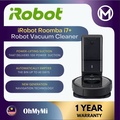

The once-dominant force in the robotic vacuum market, iRobot, is facing an existential financial crisis. Recent filings reveal a dire situation where the company's cash reserves have plummeted, leaving it at the mercy of its largest creditor—its own manufacturing partner. This development marks a stunning reversal of fortune for the pioneer that brought the Roomba to the world and raises critical questions about the future of its products and the competitive dynamics of the smart home industry.
A Stunning Financial Reversal
iRobot's financial position has deteriorated rapidly. According to a recent filing with the U.S. Securities and Exchange Commission, the company's cash and equivalents have shrunk to just USD 24.8 million as of late November 2025. This stark figure stands in dramatic contrast to the massive debt it owes to its primary contract manufacturer, Shenzhen-based Sunwin Intelligent (杉川). The total obligation exceeds USD 350 million, comprising USD 191 million in loans, USD 162 million in unpaid manufacturing fees, with USD 90.9 million of that amount already overdue. This financial imbalance has effectively transformed Sunwin from a supplier into iRobot's controlling creditor, with significant power over the company's ongoing operations and survival.
iRobot's Financial Snapshot (as of late November 2025)
| Metric | Value |
|---|---|
| Cash & Equivalents | USD 24.8 million |
| Total Debt to Sunwin (杉川) | > USD 350 million |
| - Outstanding Loans | USD 191 million |
| - Unpaid Manufacturing Fees | USD 162 million |
| - Amount Overdue | USD 90.9 million |
| Q3 2025 Revenue | USD 145.8 million (Down 24.6% YoY) |
| Estimated Global Market Share (2025) | 7.9% |
From Market Leader to Struggling Contender
iRobot's current predicament is the culmination of a prolonged decline. Founded in 1990 and launching the groundbreaking Roomba in 2002, the company once commanded over 80% of the global market. However, its competitive edge has eroded significantly. The third-quarter 2025 results were dismal, with revenue of USD 145.8 million representing a 24.6% year-over-year collapse. CEO Gary Cohen admitted the performance was "far below internal expectations." The company's global market share has dwindled to an estimated 7.9%, a shadow of its former dominance. This decline is attributed to a combination of factors, including a failure to keep pace with innovation from rivals, particularly Chinese manufacturers.
The Lost Lifeline and Failed Turnaround
A potential escape route vanished in early 2024 when Amazon's proposed acquisition of iRobot for USD 1.4 billion was terminated due to antitrust concerns in Europe and the U.S. This failed deal was a catastrophic blow. Not only did iRobot lose a crucial infusion of capital, but it was also left saddled with debt incurred in preparation for the transaction. In its wake, the company embarked on aggressive cost-cutting, laying off approximately 31% of its workforce (350 employees) by the end of 2024 and launching a flurry of new products in a bid to revive sales. These efforts have proven insufficient, with the company itself acknowledging that a transaction outside of bankruptcy proceedings now appears unlikely.
Key Timeline of iRobot's Decline
- 2002: Launches first Roomba扫地机器人.
- 2022: Amazon announces USD 1.7 billion acquisition offer (later revised to USD 1.4 billion).
- Jan 2024: Amazon deal terminated due to antitrust hurdles.
- 2024: Implements restructuring, cuts 31% of workforce (350 employees).
- Q3 2025: Reports severe revenue drop of 24.6% YoY.
- Nov 2025: SEC filing reveals USD 24.8M cash against >USD 350M debt to Sunwin.
The Rise of Competition and Technological Stagnation
The core of iRobot's struggle lies in its product portfolio. While it pioneered the category, competitors like China's Roborock, Dreame, Ecovacs, and Xiaomi have aggressively innovated, introducing features such as self-emptying docking stations, integrated mopping and self-cleaning systems, and advanced LiDAR navigation. iRobot was slow to adopt these now-standard features, leaving its products perceived as technologically behind and overpriced. Today, Chinese firms occupy nine of the top ten spots in global shipment rankings, having successfully captured market share by offering faster iteration, better user-centric features, and higher value.
Implications for Consumers and the Industry
The most immediate concern for millions of Roomba owners worldwide is product functionality. iRobot's devices rely heavily on cloud servers for advanced features like smart mapping, scheduling, and software updates. If the company ceases operations and shuts down these servers, these premium "smart" capabilities would be permanently disabled, effectively turning high-end robots into basic, dumb cleaners. iRobot is currently using its dwindling cash to maintain these services, but the longevity of this support is highly uncertain. This scenario underscores a critical vulnerability for all cloud-dependent smart devices: their functionality is essentially leased from the manufacturer's ongoing viability.
A Cautionary Tale of Innovation and Adaptation
iRobot's story serves as a powerful case study in the relentless pace of the tech industry. It demonstrates that first-mover advantage, brand recognition, and patent portfolios offer no permanent protection. The market ruthlessly rewards continuous innovation, rapid adaptation to consumer needs, and competitive pricing. iRobot's experience highlights how quickly dominance can evaporate when a company rests on its laurels while more agile competitors redefine the market. The future of the Roomba brand now hinges on negotiations with its creditor, Sunwin, in a dramatic turn where the manufacturer may ultimately determine the fate of the pioneer it once served.
Source: Company SEC filings, industry reports.