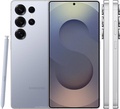
As Samsung's next flagship phone series approaches, the rumor mill is shifting into high gear, with a particular focus on the camera capabilities of the top-tier Galaxy S26 Ultra. While hardware specifications often dominate early leaks, the latest information suggests Samsung is taking a dual-pronged approach for its 2026 flagship, combining tangible hardware improvements with sophisticated new software controls. This strategy aims to address long-standing photographic challenges while empowering users with professional-grade customization, potentially setting a new benchmark for mobile imaging.
New Lens Coating Technology Aims to Eliminate Flare
One of the most persistent issues in smartphone photography is lens flare, where bright light sources cause unwanted artifacts, haze, or a loss of contrast in an image. According to leaks from sources like Alchimist Leaks and reports from tech media, Samsung is tackling this problem head-on for the Galaxy S26 Ultra. The company is reportedly implementing a new, more advanced lens coating technology specifically designed to minimize internal reflections and scattering of light within the camera module. This upgrade promises to deliver cleaner images with improved clarity, especially in challenging high-contrast scenes like sunsets or nighttime cityscapes with direct light sources. If successful, this change would represent a significant quality-of-life improvement for photographers, reducing the need for post-processing to remove distracting flares.
Reported Galaxy S26 Ultra Camera Specifications (Rumored):
- Main Camera: 200MP sensor, potentially with a larger aperture.
- Ultra-Wide Camera: 50MP sensor.
- Telephoto Cameras: 50MP 5x periscope lens and a 10MP 3x lens (the 3x sensor may be upgraded to a new CMOS).
- Key Hardware Upgrade: New advanced lens coating to suppress lens flare.
- Key Software Upgrades (via Camera Assistant): "Video softening" toggle and manual controls for autofocus speed and sensitivity.
Enhanced Color Science for Natural Skin Tones
Beyond just controlling light, Samsung is also said to be refining the color processing pipeline for the S26 Ultra's camera. The focus of this optimization is on achieving more accurate and natural skin tone reproduction. The goal is to move away from the over-processed look that can sometimes plague smartphone portraits, characterized by excessive smoothing or unnatural color shifts. By fine-tuning its algorithms, Samsung hopes to provide results that look authentic and lifelike, giving users more confidence when capturing portraits or selfies. This shift indicates a growing industry trend towards computational photography that prioritizes realism over heavy-handed aesthetic filters.
Camera Assistant App Gains Pro Video and Focus Controls
While hardware gets an upgrade, software is poised for an even bigger leap. Code discovered within the Camera Assistant Good Lock module for the upcoming One UI 8.5 points to two powerful new features likely destined for the Galaxy S26 series, particularly the Ultra model. The first is "Video softening," a direct counterpart to the existing "Picture softening" option for photos. This feature would allow users to apply a softening effect to video recordings, potentially reducing digital noise and creating smoother, more cinematic skin textures for a less harsh, more flattering video output.
Glossary of Leaked Features:
- Lens Flare: Unwanted visual artifacts caused by light scattering and reflecting inside a camera lens, often seen as starbursts, circles, or haze in an image.
- Video Softening: A software feature that applies a smoothing effect to video footage, potentially reducing noise and creating a less digitally-sharp, more film-like appearance, especially for skin tones.
- Autofocus Transition Speed: Controls how quickly the camera's focus shifts from one distance or subject to another.
- Autofocus Shift Sensitivity: Determines how responsive the autofocus system is to changes in the scene, such as a new subject entering the frame.
Granular Autofocus Customization for Enthusiasts
The second major software addition revolves around autofocus, a critical component for both photo and video. The new controls would let users manually adjust the "speed" and "sensitivity" of the autofocus system. "Transition speed" dictates how quickly the focus shifts from one subject to another, while "shift sensitivity" determines how readily the system reacts to new subjects entering the frame. This level of granularity is typically found on professional cameras and would be a boon for videographers and photographers who want precise control over focus pulls and subject tracking, enabling more creative and intentional shots.
The Bigger Picture: Positioning the S26 Ultra as a Pro Tool
The combination of these leaks paints a clear picture of Samsung's strategy. By addressing fundamental optical issues like flare, improving core image processing for skin tones, and introducing deep, pro-level software customization, Samsung appears to be positioning the Galaxy S26 Ultra not just as a premium smartphone, but as a legitimate tool for camera enthusiasts and content creators. This approach suggests that while year-over-year sensor megapixel counts might see minor tweaks—with rumors still pointing to a 200MP main sensor—the real differentiation will come from the overall imaging experience. As always, these features remain speculative until confirmed by Samsung, likely at a Galaxy Unpacked event in early 2026. However, the prospect of a phone that marries better optics with unprecedented software control is certainly an exciting one for the mobile photography community.