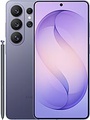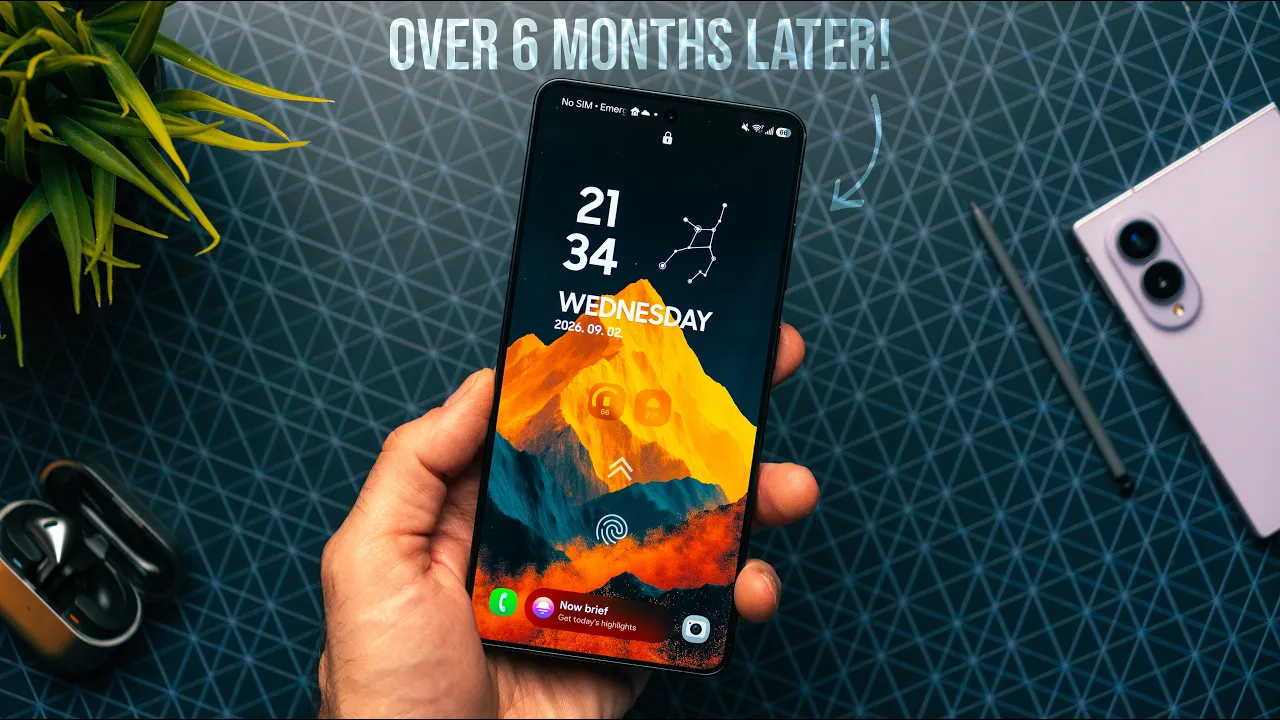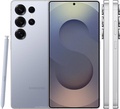

With the expected launch of Samsung's next-generation Galaxy S26 flagship series just months away, a surprising report has emerged from South Korea. The tech giant is reportedly struggling to finalize the pricing for its most important smartphones, caught between rising manufacturing costs and the need to remain competitive. This internal debate highlights the complex economic pressures facing the smartphone industry as it heads into 2026.
The Core of the Pricing Dilemma
According to a report from the Korean publication The Bell, Samsung is facing significant challenges in setting the final prices for the Galaxy S26, S26 Plus, and S26 Ultra models. The primary driver of this uncertainty is a sharp increase in the cost of key components. While camera modules and OLED display panels have become more expensive, the most significant pressure point is mobile DRAM, or memory. Industry analysts, including IDC, point to soaring demand from AI data centers as a major factor. This demand has shifted semiconductor production priorities, creating a shortage and driving up prices for the memory used in consumer devices like smartphones. For Samsung, a company that both manufactures and consumes these components, the situation creates a unique financial squeeze.
Reported Component Cost Pressures:
- Mobile DRAM (Memory)
- Camera Modules
- OLED Display Panels
A Precedent of Selling at a Loss
The financial strain is not merely theoretical for Samsung. The report cites the recent launch of the innovative Galaxy Z TriFold in South Korea as a case in point. The company is reportedly selling that device for approximately KRW 3.5 million, which is less than its production cost. This strategy of accepting a loss is a calculated move to establish the new form factor in the market and demonstrate technological leadership. However, this approach is not sustainable for the Galaxy S series, which forms the profitable backbone of Samsung's mobile division. Selling millions of flagship S-series devices at a loss to maintain attractive price points is simply not an option, forcing the company to seriously consider passing some of the increased costs on to consumers.
Strategic Changes to Mitigate Costs
In response to these financial pressures, Samsung is making strategic adjustments to its upcoming lineup. One of the most significant cost-saving measures involves the system-on-chip (SoC) strategy. To avoid the premium associated with Qualcomm's Snapdragon processors, Samsung is planning to use its in-house Exynos 2600 chipset in the standard Galaxy S26 and S26 Plus models for many regions outside key markets like the United States. This mirrors a tactic successfully employed in the summer of 2025 with the Galaxy Z Flip 7. Meanwhile, the top-tier S26 Ultra and models destined for the U.S. are expected to retain the more expensive Snapdragon 8 Elite Gen 5 chip, acknowledging the performance expectations and competitive landscape in those markets.
Reported Galaxy S26 Chipset Strategy:
- Galaxy S26 / S26 Plus (Select Regions): Samsung Exynos 2600
- Galaxy S26 Ultra & Key Markets (e.g., U.S.): Qualcomm Snapdragon 8 Elite Gen 5
What This Means for the Consumer and Launch Timeline
The direct consequence for potential buyers is the strong likelihood of a price increase for the Galaxy S26 series compared to its predecessors. The Galaxy S25 series started at USD 799, with the Plus and Ultra models priced at USD 999 and USD 1,299 respectively. A hike would place the S26 Ultra even further above its chief rival, Apple's iPhone 17 Pro Max. Complicating the decision for Samsung is that the rumored hardware upgrades for the S26—such as the full adoption of Qi2 wireless charging and a new low-light camera sensor—are seen as iterative rather than revolutionary, making a substantial price jump a harder sell. This pricing struggle may also explain a reported shift in the launch schedule. Initial plans for a January 2026 unveiling have reportedly been pushed to February, giving Samsung more time to negotiate with suppliers and finalize its go-to-market strategy. As the new year begins, more concrete information on pricing is expected to emerge, determining whether Samsung will absorb the costs or ask its customers to share the burden.