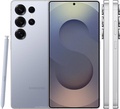

As the tech world's gaze shifts towards the next generation of flagship smartphones, Samsung's upcoming Galaxy S26 series is already generating significant buzz. A flurry of recent leaks has painted a detailed picture of what to expect, focusing on two major pillars: a potentially groundbreaking new chipset and a suite of intelligent software features designed to set the new devices apart. This article synthesizes the latest credible rumors to explore the specifications, performance expectations, and the strategic software decisions that might define Samsung's 2026 flagship launch.
The Heart of the Matter: Exynos 2600 and 2nm Ambitions
At the core of the Galaxy S26's hardware narrative is the rumored Exynos 2600 chipset. According to detailed leaks from sources like @i冰宇宙, this processor is poised to be a significant leap, touted as the world's first smartphone chip built on a 2nm manufacturing process. This next-generation fabrication, based on Samsung's second-generation Gate-All-Around (GAA) technology, represents a major bet for Samsung Foundry as it seeks to challenge industry leader TSMC. The chip is reported to feature a deca-core CPU configuration, combining a single high-performance core clocked at 3.9GHz, three additional performance cores at 3.2GHz, and six efficiency cores running at 2.75GHz. For graphics, it is said to utilize an AMD-designed GPU codenamed "JUNO" with a clock speed of 985MHz, supporting modern graphics APIs like Vulkan 1.3.
Alleged Samsung Exynos 2600 Specifications (Based on Leaks):
- Process Node: 2nm (Samsung 2nd Gen GAA)
- CPU Cores: 10-core configuration
- 1x Prime Core @ 3.9 GHz
- 3x Performance Cores @ 3.2 GHz
- 6x Efficiency Cores @ 2.75 GHz
- GPU: AMD "JUNO" @ 985 MHz
- API Support: OpenGL ES 3.2, OpenCL 3.0, Vulkan 1.3
- Geekbench Score (Alleged): Single-Core: 3455 | Multi-Core: 11621
Performance Projections and Market Strategy
Early performance indicators for the Exynos 2600 have surfaced via Geekbench, with alleged scores of 3455 for single-core and 11621 for multi-core tests. These figures suggest a substantial generational improvement over its predecessor. However, Samsung's chip strategy for the S26 series appears to remain region-specific. Reliable information indicates that while some markets will receive the Exynos 2600 variant, others, including China, will likely get models powered by Qualcomm's contemporary Snapdragon 8-series chip. This bifurcated approach allows Samsung to leverage its in-house silicon while ensuring consistent performance in key markets where Qualcomm has traditionally held sway.
Software and AI: The Hidden Arsenal of One UI 8.5
Beyond raw hardware, software intelligence is shaping up to be a major battleground. Samsung has begun beta testing One UI 8.5 for current devices like the Galaxy S25, introducing features like a redesigned Quick Settings panel and enhanced Gallery app tools. However, leaker @chunvn8888 suggests that Samsung is gatekeeping several advanced AI features exclusively for the Galaxy S26 launch. The most notable of these is an AI-powered notification summary tool. This feature, reportedly built on Samsung's in-house Gauss AI model, would analyze a user's notifications from the past 24 hours and provide a concise summary. It is said to support a wide array of languages at launch, including English, Korean, Spanish, German, French, and simplified Chinese.
Reported Exclusive One UI 8.5 AI Feature for Galaxy S26:
- AI Notification Summary: A tool that summarizes notifications from the past 24 hours using Samsung's Gauss AI model.
- Reported Launch Language Support: English, Korean, Spanish, German, French, Portuguese, Polish, Simplified Chinese, Japanese, Hindi, Vietnamese, Thai.
Design, Camera, and the Pricing Conundrum
On the design front, the standard Galaxy S26 model is expected to see more iterative changes. Recent reports suggest Samsung initially planned a more significant camera upgrade for the base model but scaled back to a module similar to the S25's to manage costs, especially after Apple held the line on pricing for its iPhone 17. This last-minute adjustment reportedly required component redesigns. Despite these cost-balancing efforts, industry-wide pressures, particularly from rising memory chip prices, may still force a price increase for the entire S26 lineup. Analysts speculate the starting price could breach the CNY 6,000 (approximately USD 845) threshold, marking a notable climb for the series.
Galaxy S26 Series Market & Pricing Context:
- Chipset Strategy: Exynos 2600 expected in select regions; other markets (e.g., China) to receive Qualcomm Snapdragon variant.
- Pricing Pressure: Potential starting price may exceed CNY 6,000 (approx. USD 845) due to rising component costs, particularly for memory.
Conclusion: A Calculated Leap Forward
The emerging portrait of the Samsung Galaxy S26 series is one of ambitious, calculated risks. The potential debut of a 2nm chip underscores Samsung's drive for technological leadership in semiconductor fabrication, while the strategy of reserving key AI features highlights a shift towards using software as a differentiator for new hardware. The rumored specifications point to a device focused on delivering top-tier performance and smarter user experiences. However, these advancements may come at a cost, with global supply chain factors potentially driving prices upward. As always, these details remain in the realm of rumor and speculation until Samsung's official unveiling, expected in the coming months, where the full picture will finally come into focus.