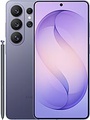
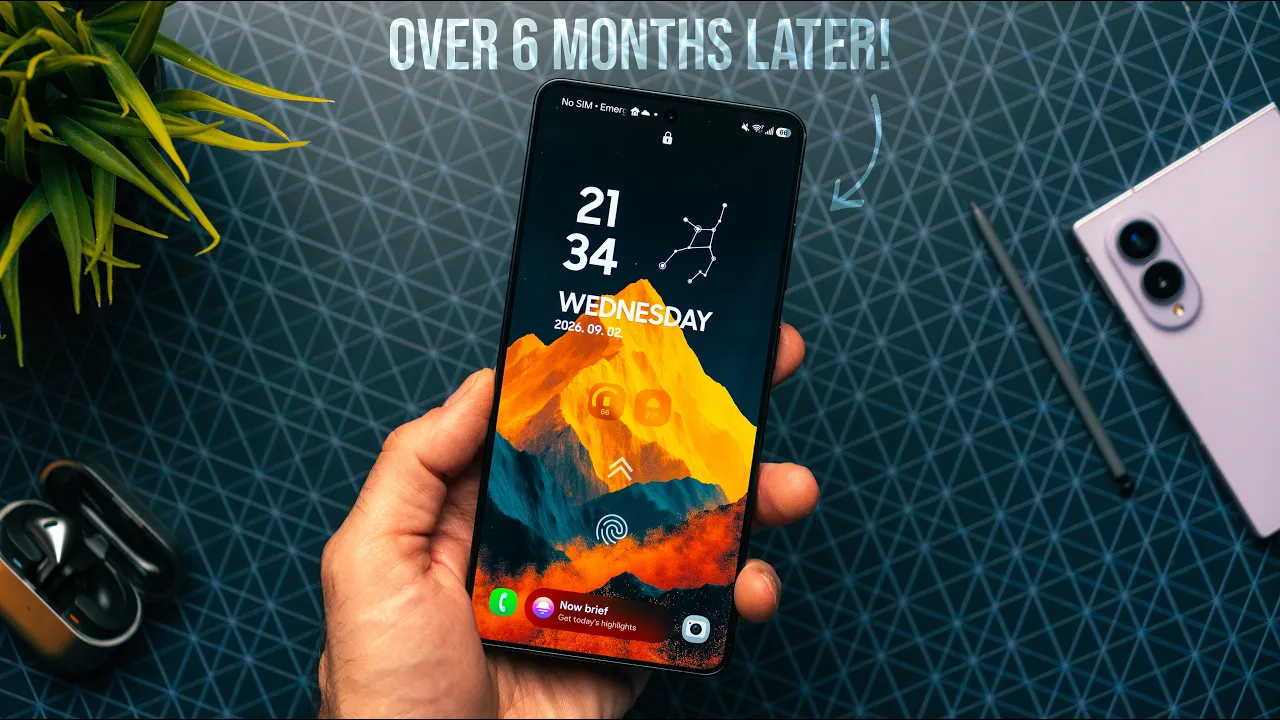
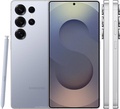
As the tech world gears up for the first major smartphone launch of 2026, the Samsung Galaxy S26, a cloud of uncertainty hangs over its pricing. While consumers eagerly await the latest innovations, reports from South Korea suggest that rising component costs may force Samsung to increase the phone's price in several markets, marking a potential end to a period of price stability. However, in a strategic move to maintain competitiveness, the United States market might be shielded from this increase, creating a complex global pricing landscape for the upcoming flagship.
Reports Indicate a Price Increase in South Korea
According to a new report from the South Korean publication FNNews, Samsung is considering a price increase for the Galaxy S26 in its domestic market. The primary drivers cited are the soaring costs of essential components like DRAM and NAND flash memory, coupled with unfavorable exchange rates. The report suggests the increase could range from KRW 44,000 to KRW 88,000 for the 256GB models, translating to approximately USD 30 to USD 50. This would represent the first significant price jump for the Galaxy S series since the Galaxy S23 in 2023, which saw increases in regions like the UK, Europe, and Australia.
Reported Potential Price Increases:
- South Korea (Domestic Market): Increase of KRW 44,000 to KRW 88,000 for 256GB models (approx. USD 30 - USD 50).
- United States: Price expected to remain at USD 799 for the base model to maintain competitiveness with Apple.
- Historical Context: Last significant S-series price increase was with the Galaxy S23 in 2023 (e.g., £60 in the UK). Prices for the S24 and S25 remained stable.
The Global Component Crunch and Its Impact
The potential price adjustment is not an isolated decision but a reaction to broader industry pressures. Samsung's own Co-CEO, TM Roh, acknowledged the "unprecedented" situation in an interview with Reuters, specifically highlighting the impact of DRAM supply issues. Analyst firm IDC had previously predicted that continued pressure on memory prices could lead to cost increases of up to 8% across the smartphone industry. This global squeeze is partly attributed to the intense demand for high-end chips from the artificial intelligence and data center sectors, which is diverting manufacturing capacity and driving up prices for mobile components.
Key Factors Driving Potential Price Changes:
- Soaring Component Costs: Significant price increases for DRAM and NAND flash memory.
- High Exchange Rates: Affecting pricing in international markets.
- Industry-Wide Pressure: IDC predicted up to 8% price increases across smartphones due to memory costs.
- AI & Data Center Demand: Diverting chip manufacturing capacity away from mobile sectors.
A Strategic Hold on US Pricing
In a contrasting strategy, recent reports indicate that Samsung plans to keep the starting price of the Galaxy S26 in the United States at USD 799, mirroring the launch price of its predecessor. This calculated move is seen as a direct effort to remain competitive against Apple's iPhone, which is not expected to raise its prices significantly. By absorbing the higher component costs in the US market, Samsung aims to protect its market share and encourage consumer adoption of its expanding Galaxy AI ecosystem. This creates a notable divergence where US buyers may benefit from price stability while consumers in other regions face a hike.
Launch Timeline and Final Decisions
Alongside pricing rumors, the report from FNNews also aligns with other leaks suggesting a slightly delayed launch schedule for the Galaxy S26 series. The unveiling is now rumored for February 25, 2026, with retail availability following in March. This is later than the typical early-February launch window seen in recent years. A Samsung representative quoted in the report emphasized that pricing for the Galaxy S26 is not yet finalized, leaving room for the company to adjust its strategy based on final component costs and competitive dynamics as the launch event approaches.
Rumored Launch Timeline:
- Unpacked Event: February 25, 2026.
- Market Release: March 2026.
- Note: This represents a delay compared to the early-February launches of recent Galaxy S models.
The Broader Implication for 2026 Smartphones
The situation surrounding the Galaxy S26 pricing is a bellwether for the entire premium smartphone market in 2026. If Samsung, a dominant player with significant control over its supply chain, is forced to raise prices, it signals that cost increases may be "inevitable" for many flagship devices this year. Consumers worldwide may need to brace for more expensive top-tier phones or consider holding onto their current devices for longer. The final pricing strategy Samsung employs will not only affect its own sales but also set a tone for how the industry navigates this period of increased production costs.