
As the anticipated early 2026 launch of Samsung's Galaxy S26 series draws closer, a flurry of new information has emerged, painting a complex picture of what consumers can expect. Recent leaks have converged on two critical fronts: the potential financial cost of the new flagship and the physical dimensions of its base model. This synthesis of rumors, supplier confirmations, and industry analysis reveals a device caught between rising component costs and consumer expectations for meaningful innovation, setting the stage for a pivotal release for the South Korean tech giant.
The Looming Threat of a Price Increase
The most pressing question for many potential buyers surrounds the Galaxy S26's price tag. Strong indications suggest Samsung may be forced to abandon the USD 799 starting price of its predecessors, with rumors pointing to a potential hike of USD 50 to USD 100. This speculation is rooted in tangible industry pressures, notably a significant increase in the cost of RAM chips, with Samsung itself reportedly raising prices by up to 60% in recent weeks. Compounding this are rising costs for chipsets and camera modules, creating a perfect storm of inflationary pressure that could directly impact the consumer's wallet. While nothing is finalized, the financial landscape makes a price increase a distinct possibility.
Reported Galaxy S26 Specifications & Price Context
- Expected Models: Galaxy S26, Galaxy S26+, Galaxy S26 Ultra (Pro and Edge variants reportedly canceled).
- Galaxy S26 Dimensions (Leaked/Confirmed):
- Height: ~149.5 mm
- Width: ~71.5 mm
- Display Size: 6.3 inches
- Launch Window: Second half of January 2026.
- Pricing Context (Rumored):
- Previous Baseline Price: USD 799 (Galaxy S25).
- Potential Increase: USD 50–USD 100.
- Key Driver: Rising component costs (RAM +60%, chipsets, camera modules).
Community Backlash and Value Concerns
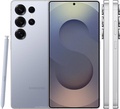
The prospect of paying more is met with significant resistance from the tech community. An informal poll referenced in recent discussions shows an overwhelming 94.87% of respondents believe the phone should cost "USD 799 and not a cent more." This sentiment is fueled by growing concerns that the standard Galaxy S26 and S26+ models will offer only minimal updates over their predecessors. Critics point to rumors suggesting the base model may reuse a camera setup from the older Galaxy S22, a move described by some as "appalling." This perceived lack of substantial innovation leads prominent tipsters to advise enthusiasts to "not waste a single penny" on the non-Ultra models, reserving recommendation solely for the top-tier S26 Ultra, which is expected to receive more significant upgrades.
Community Sentiment & Analyst Perspective
A snapshot of community reaction highlights the challenge Samsung faces:
- Price Sensitivity: An overwhelming majority (94.87% in a cited poll) insist the price must not exceed USD 799.
- Perceived Value Gap: Concerns are high that non-Ultra models (S26, S26+) will receive only minimal updates, potentially reusing older camera hardware.
- Expert Advice: Some industry analysts and leakers are already steering enthusiasts toward the S26 Ultra as the only model expected to offer substantial upgrades, suggesting the lower-tier models may not represent good value, especially at a higher price point.
A Compact Profile Gets Confirmed
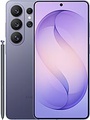
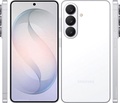
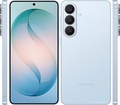
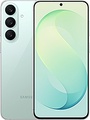
Amid the pricing drama, one specification appears to be settling into fact: the size of the standard Galaxy S26. A new leak from glass supplier Diamond Glass has corroborated earlier exclusive reports, confirming the phone will feature a 6.3-inch display within a remarkably compact body measuring approximately 149.5mm in height and 71.5mm in width. This footprint suggests Samsung is continuing to cater to users who prefer smaller, more manageable devices without sacrificing screen real estate. The design is expected to mirror that of the larger S26+, with Samsung having reportedly streamlined its lineup by scrapping planned Pro and Edge variants in favor of the core trio: S26, S26+, and S26 Ultra.
The High-Stakes Balancing Act for Samsung
The emerging narrative around the Galaxy S26 places Samsung in a challenging position. The company must balance the unavoidable realities of increased production costs against fierce market competition and high consumer expectations for generational leaps in technology. Launching a device with a higher price tag but only incremental improvements, especially on the base model, risks alienating a significant portion of its customer base. The success of the S26 series may hinge on Samsung's ability to clearly communicate the value proposition of each model, justifying any price increase with tangible, user-experience enhancements that go beyond spec sheets. As the final weeks before the expected January announcement pass, all eyes will be on how Samsung navigates this complex launch.