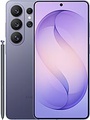
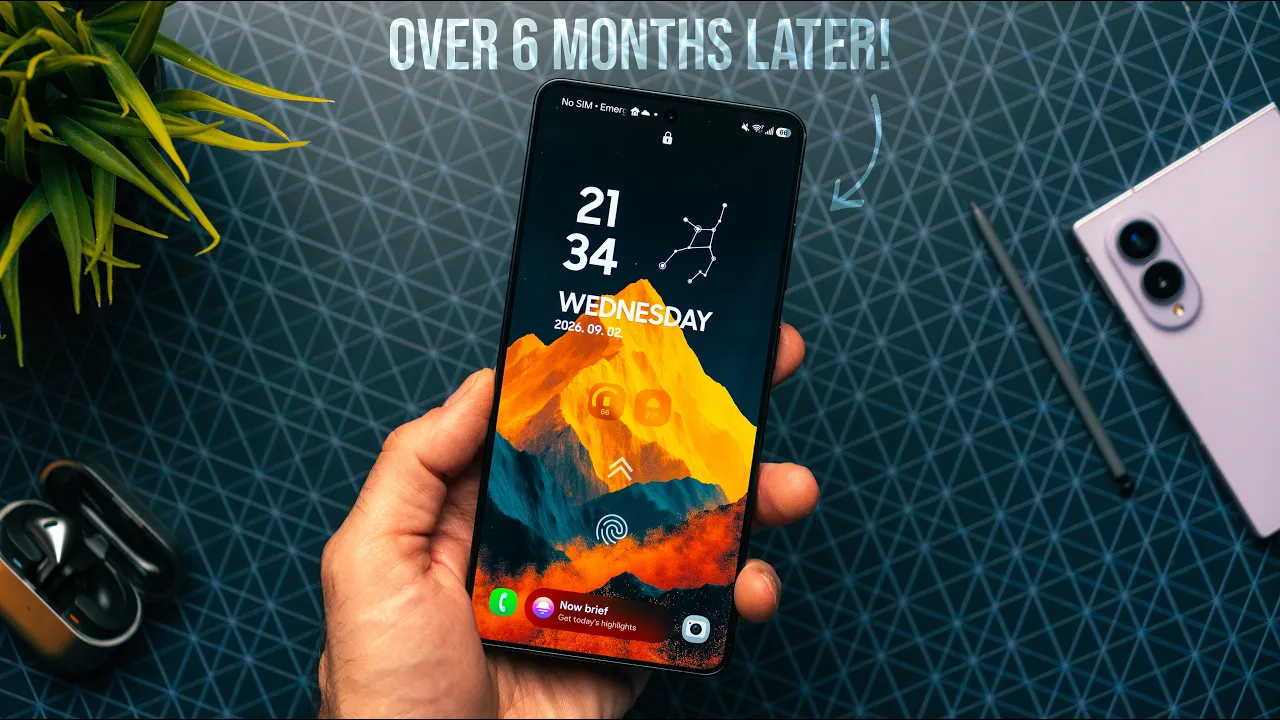
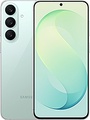
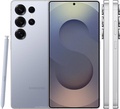
In the competitive world of flagship smartphones, camera specifications and pricing are two of the most critical battlegrounds. A new report from South Korea suggests that Samsung's strategy for its upcoming Galaxy S26 has undergone a significant last-minute shift, influenced directly by its main rival, Apple. The decision is now reportedly impacting the phone's production timeline, setting the stage for a potentially delayed launch.
Samsung's Consistent Camera Strategy Faces Pressure
For the past three generations, Samsung has maintained an identical camera hardware setup on its base Galaxy S model. The Galaxy S23, S24, and the recently launched S25 all shared a triple-camera system featuring a 50MP main sensor, a 12MP ultrawide, and a 10MP telephoto lens with 3x optical zoom. According to a report from The Elec, this trend was set to continue with the Galaxy S26, but not by original design. The report claims Samsung initially planned to upgrade the S26's camera sensors, a move that would have logically accompanied a higher starting price for the device.
Reported Galaxy S26 Camera Specifications (Base Model):
- Main Camera: 50MP (1/1.56” sensor)
- Ultrawide Camera: 12MP (1/2.55” sensor)
- Telephoto Camera: 10MP (1/3.94” sensor) with 3x optical zoom
Apple's iPhone 17 Move Forces Samsung's Hand
The catalyst for Samsung's strategic reversal appears to be Apple's pricing decision for the iPhone 17. Apple is reportedly upgrading the standard iPhone 17 with a 120Hz ProMotion LTPO OLED display and doubling the base storage to 256GB, all while maintaining its USD 799 starting price. This aggressive move by its chief competitor left Samsung with a difficult choice: proceed with a more expensive, camera-upgraded Galaxy S26 or match Apple's price point. The report indicates Samsung chose the latter, opting to scrap the planned camera upgrades for the vanilla S26 to keep its entry price at USD 799. This decision underscores the intense price sensitivity in the premium smartphone market and the powerful influence Apple exerts on its competitors' strategies.
Key Pricing Context:
- Apple iPhone 17 (Reported): Starts at USD 799 with 120Hz LTPO display and 256GB base storage.
- Samsung Galaxy S26 (Reported): Target starting price of USD 799, achieved by forgoing planned camera hardware upgrades.
Internal Redesign Leads to Production Delays
This last-minute change is not without consequence. Altering the core camera modules reportedly necessitates a redesign of internal components to accommodate the existing hardware. This redesign process is cited as a primary reason for a delay in the mass production schedule for the Galaxy S26 and S26+. While the Galaxy S26 Ultra is still on track to enter production in December 2025, the standard S26 and S26+ models are now expected to begin manufacturing in early 2026. This aligns with and confirms earlier rumors of a potential February announcement for the S26 series, later than Samsung's traditional January unveiling.
Reported Production Timeline Impact:
- Galaxy S26 Ultra: Mass production expected to begin in December 2025.
- Galaxy S26 & S26+: Mass production reportedly delayed to early 2026 due to last-minute component redesign.
Market Reaction and Consumer Sentiment
The prospect of a third consecutive year with the same primary camera hardware on the base Galaxy S model is likely to be met with mixed reactions. Early polling from related tech news coverage shows a divided audience. While a portion of consumers values price stability, a larger segment expresses disappointment, indicating a strong desire for tangible hardware improvements year-over-year. This sentiment highlights the challenge for Samsung: balancing innovation with affordability in a market where consumers have come to expect annual leaps in technology, especially in areas as visible as camera performance.
The Broader Context for the Galaxy S26 Series
The camera decision is part of a broader narrative surrounding the Galaxy S26 lineup, which has been the subject of various rumors. Speculation about Samsung potentially introducing an "Edge" model to replace the Plus variant has reportedly been abandoned, further simplifying the lineup. Expected upgrades may now focus on areas like a revamped AI assistant, design tweaks, and the adoption of Qi2 wireless charging. For many tech enthusiasts, however, these incremental improvements may feel insufficient against a backdrop of repetitive hardware, raising questions about Samsung's ability to generate excitement and fend off increasingly capable competition in the flagship segment.