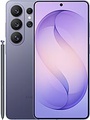
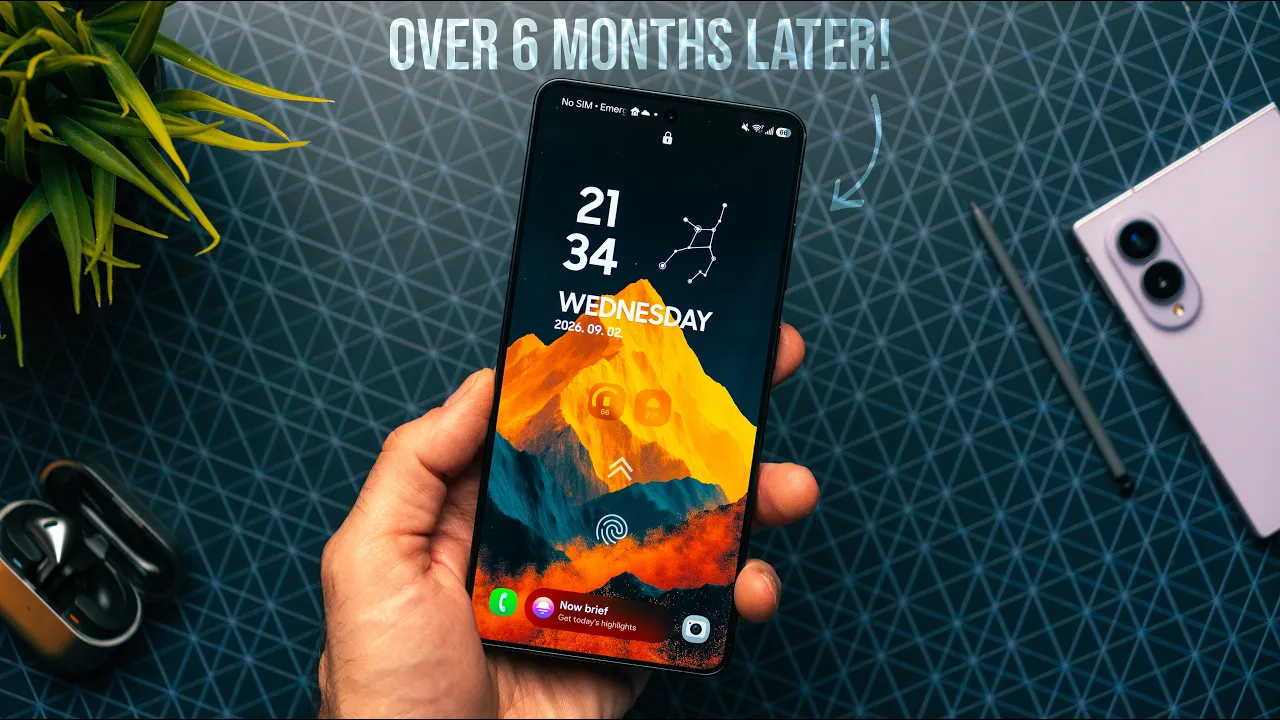
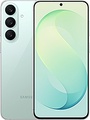
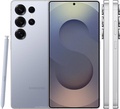
For months, the tech community has been rife with speculation about the processing power behind Samsung's next flagship behemoth, the Galaxy S26 Ultra. Would Samsung return to a dual-chipset strategy, offering its in-house Exynos processor in some markets? Or would it continue the trend of equipping its top-tier Ultra model exclusively with Qualcomm's latest silicon? A recent regulatory filing has now cut through the noise, providing a definitive answer that will shape expectations for the 2026 smartphone flagship race.
FCC Certification Lays Rumors to Rest
The Galaxy S26 Ultra, identified by its model numbers SM-S948B (global variant) and SM-S948U (US variant), has received certification from the US Federal Communications Commission (FCC). This routine but critical step ahead of a commercial launch has delivered a major revelation. The certification documents explicitly list the chipset identifier as "SM8850," which is Qualcomm's internal codename for the upcoming Snapdragon 8 Elite Gen 5 processor. Crucially, this same chipset is listed for both the US and international model variants, confirming a unified, Snapdragon-only strategy for the S26 Ultra worldwide. This move signals Samsung's commitment to delivering consistent, top-tier performance for its most demanding customers, regardless of their region.
Confirmed Galaxy S26 Ultra Model Numbers & Chipset:
- Global/International Model: SM-S948B / SM-S948B/DS
- United States Model: SM-S948U / SM-S948U1
- Confirmed Chipset (All Models): Qualcomm Snapdragon 8 Elite Gen 5 (Identifier: SM8850)
- Expected Variant: Likely a custom "For Galaxy" overclocked version.
A "For Galaxy" Performance Boost Expected
While the base platform is confirmed, history suggests the story doesn't end there. The FCC filing hints that this may not be a standard off-the-shelf Snapdragon 8 Elite Gen 5. References within the document point to support for Qualcomm's Smart Transmit Plus technology, an uplink boost feature tied to the Snapdragon X85 modem that will be integral to the new chip. More tellingly, Samsung has a well-established pattern of collaborating with Qualcomm on "For Galaxy" variants. These are custom-tuned, often overclocked versions of the flagship Snapdragon chips designed to eke out extra performance for Samsung's devices. It is highly probable that the S26 Ultra will feature such an optimized version, promising a potential performance edge over other phones using the standard chipset.
Supported Connectivity Technologies (per FCC):
- Wi-Fi 7 (Tri-band)
- 5G Cellular
- NFC (Near Field Communication)
- UWB (Ultra-Wideband)
- Qualcomm Smart Transmit Plus (X85 Modem feature)
Implications for the Broader S26 Series
The clarity surrounding the Ultra model brings the broader Galaxy S26 lineup into sharper focus. The decision to standardize the Ultra on Snapdragon likely reinforces a split strategy for the standard Galaxy S26 and S26 Plus models. Multiple leaks and benchmark listings suggest these non-Ultra models will use the Snapdragon 8 Elite Gen 5 in most global markets but may ship with Samsung's next-generation Exynos 2600 chipset in specific regions like South Korea. This bifurcation allows Samsung to showcase and utilize its own semiconductor technology in more accessible models while reserving the unequivocal, market-tested power of a unified Qualcomm platform for its premium, no-compromises flagship.
Chipset Strategy for Galaxy S26 Series (Based on Reports):
| Model | Expected Chipset in Most Regions | Expected Chipset in Select Regions (e.g., South Korea) |
|---|---|---|
| Galaxy S26 Ultra | Snapdragon 8 Elite Gen 5 | Snapdragon 8 Elite Gen 5 (Unified) |
| Galaxy S26+ | Snapdragon 8 Elite Gen 5 | Samsung Exynos 2600 |
| Galaxy S26 | Snapdragon 8 Elite Gen 5 | Samsung Exynos 2600 |
Launch Timeline and Remaining Questions
The FCC approval is a strong indicator that development is entering its final stages, though the exact launch date for the Galaxy S26 series remains officially unconfirmed. Industry leakers suggest a debut in early 2026 is still the target, though internal deliberations at Samsung have led to some speculation about potential schedule shifts. With the chipset question now settled, attention will turn to other specifications, final design details—which have been hinted at through code in Samsung's One UI software—and of course, pricing. The confirmation of a top-tier Snapdragon chip across all regions sets a high-performance foundation for the S26 Ultra, positioning it as a formidable contender in the next generation of mobile technology.