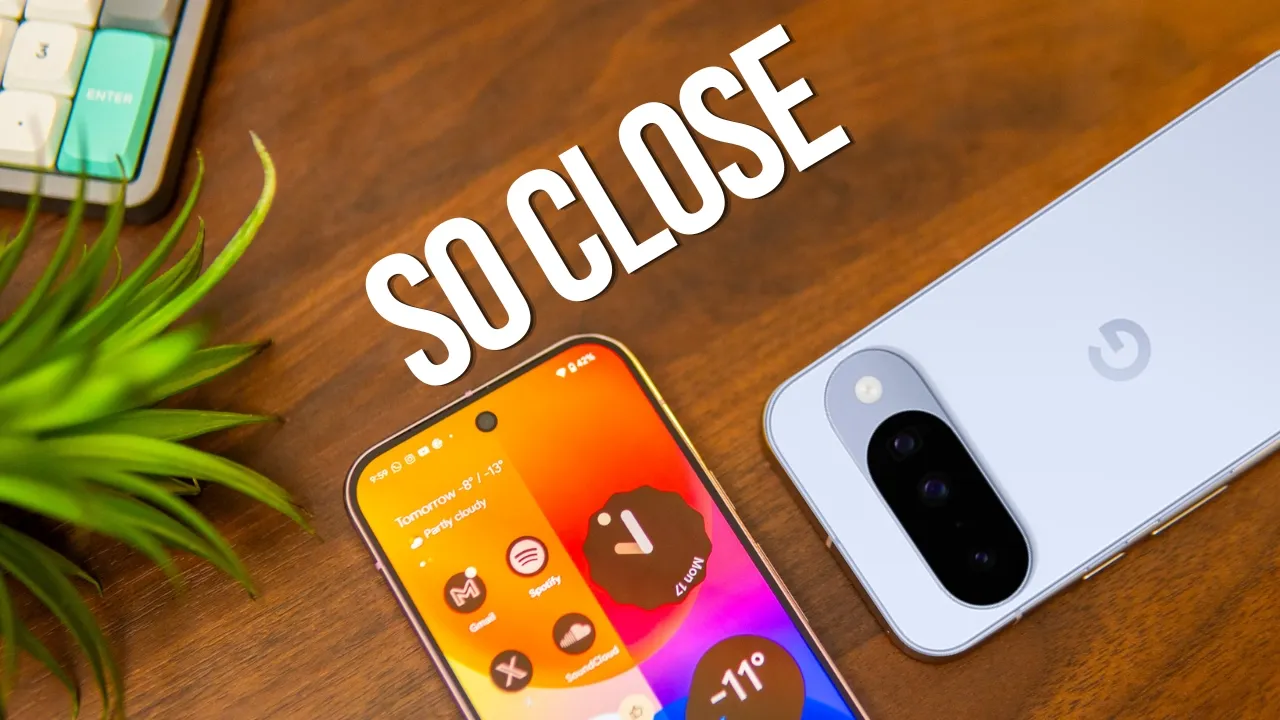
Google's Pixel 10 arrived with significant hardware promise, marking a shift to a TSMC-manufactured Tensor G5 chip and a new Imagination GPU. However, initial reviews noted it still lagged behind the raw performance of flagship rivals from Apple and Samsung. In a quiet but impactful move, Google's recent software updates, culminating in the Android 16 QPR2 release, are now unlocking more of that hardware potential, delivering a noticeable uplift in speed and smoothness that is changing the user experience months after launch.
Software Optimization Unlocks Hardware Potential
The core narrative of the Pixel 10 is evolving from its launch-day specifications. While the switch to TSMC for the Tensor G5 chip was a major talking point, real-world performance initially failed to fully capitalize on the change. Google's November and December 2025 updates, particularly the Android 16 QPR2 (Quarterly Platform Release 2), have acted as a crucial software tune-up. These updates don't introduce flashy new features as their primary goal; instead, they refine the underlying system. The introduction of a new Generational Concurrent Mark-Compact (CMC) Garbage Collector, for instance, optimizes memory management, reducing CPU overhead and making the phone's operations more efficient. This demonstrates a focused effort on backend improvements that directly impact how the hardware resources are utilized.
Reported Performance Improvements (Post-Android 16 QPR2 Update):
- CPU (Geekbench): ~2% increase in single-core, ~5% increase in multi-core performance.
- GPU (3DMark): ~5% increase in Wild Life score, ~7% increase in Wild Life Extreme score.
- System Performance (PCMark Work 3.0): ~19.6% increase in score, indicating significant real-world task improvement.
- Key Software Change: Introduction of a new Generational Concurrent Mark-Compact (CMC) Garbage Collector for more efficient memory management.
Benchmark Scores Show Consistent Gains
Objective testing confirms the subjective reports of a snappier phone. According to analyses by Android Authority, the Pixel 10 has seen measurable performance gains since its launch. Single-core CPU performance improved by approximately 2%, while multi-core performance saw a more substantial 5% increase. The GPU, an area of particular early criticism, also showed progress, with Wild Life Extreme benchmark scores rising by around 7%. Perhaps most telling is the result from PCMark Work 3.0, a benchmark designed to simulate real-world tasks, which jumped by nearly 20%. This significant leap suggests Google's optimizations are highly effective in everyday scenarios beyond synthetic stress tests, improving how the phone handles app switching, loading, and multitasking.
User Experience Becomes Noticeably Smoother
For owners, these technical improvements translate into a tangibly better daily experience. User reports on forums like Reddit highlight reduced stuttering, especially in games, and a general feeling of increased fluidity throughout the interface. Animations appear smoother, and apps open and close with greater speed. This responsiveness boost addresses one of the key compromises early adopters made, choosing the Pixel for its camera and AI features over peak performance. The update effectively narrows that performance gap, making the device feel more polished and capable. It's a reminder that a phone's journey doesn't end at purchase; sustained software support can meaningfully enhance its character over time.
A Strategic Shift in Google's Update Philosophy
The impact of the QPR2 update extends beyond the Pixel 10 itself, signaling a potential shift in Google's approach to post-launch support. Instead of reserving major performance enhancements for annual Android version releases, Google is now leveraging its quarterly update pipeline to deliver substantive optimizations. This strategy could significantly improve the long-term value and satisfaction of Pixel ownership, ensuring devices feel fresh and capable throughout their lifespan. It also helps Google address competitive shortcomings more agilely, using software to refine the user experience in response to feedback, as seen with the targeted GPU improvements.
Pixel 10 Key Hardware Context:
- Chipset: Google Tensor G5 (first Tensor chip manufactured by TSMC).
- GPU: Imagination DXT-48-1536 (a shift from ARM Mali graphics used in prior Tensor chips).
- Update in Focus: Android 16 QPR2 (Quarterly Platform Release 2), released in December 2025.
The Competitive Landscape and Future Outlook
Even with these gains, the Pixel 10 does not suddenly outpace devices powered by the latest Snapdragon or Apple's A-series chips in raw benchmark leadership. Its value proposition remains rooted in Google's integrated AI, computational photography, and clean software experience. However, the performance uplift closes the perceptible gap for most users, making the phone a more compelling all-rounder. For consumers, this development underscores the importance of considering a manufacturer's software update commitment. As of December 2025, the Pixel 10 is a faster, smoother device than it was at launch, proving that Google can and is using software to supercharge its hardware, setting an interesting precedent for the Pixel 11 and beyond.