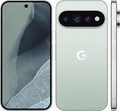
Google's latest beta software for its Pixel phones has introduced a significant and disruptive bug affecting one of the device's core features: the camera. Users who installed the Android 16 QPR3 Beta 1 update are reporting severe focus issues that not only ruin photos but also cause the camera lens to physically vibrate. This problem highlights the inherent risks of testing pre-release software and has left many early adopters unable to use their phone's high-resolution photography modes.
Primary Symptom: Severe camera focus failure causing physical lens vibration and blurry images.
The Problem Emerges with Android 16 QPR3 Beta 1
The issue surfaced immediately after users installed the Android 16 QPR3 Beta 1, identified as build CP11.251114.006. This update, intended to provide a preview of upcoming features and improvements, instead delivered a frustrating regression for Pixel owners. Reports began flooding in on community platforms like Reddit and Google's official Issue Tracker, with users describing a bizarre and disruptive "fluttering" or "wobbling" effect when trying to use the camera. The problem is not a subtle software glitch but a pronounced failure that manifests as a physical sensation, making the phone vibrate as the lens mechanism struggles unsuccessfully to lock focus.
Affected Software: Android 16 QPR3 Beta 1 (Build CP11.251114.006)
A Bug Specific to High-Resolution Photography
The camera bug exhibits a very specific trigger, primarily affecting the 50-megapixel shooting mode on the main and ultrawide sensors. When users switch to this high-resolution setting, the camera's viewfinder becomes a blurry, unstable mess. Attempts to use tap-to-focus or manual focus controls do not resolve the issue; the lens continues to hunt and vibrate, rendering it nearly impossible to capture a clear image. In stark contrast, the standard 12-megapixel mode continues to function normally for most users, providing a clear workaround but severely limiting the camera's advertised capabilities.
Trigger Condition: Occurs specifically when using the 50-megapixel mode on the main or ultrawide camera.
Software, Not Hardware, is the Root Cause
A critical detail for concerned Pixel owners is that this is definitively a software problem, not a hardware defect. The onset of the issue correlates directly with the installation of the beta firmware, confirming it is a regression introduced by the new code. Technical speculation from the community points to a potential flaw in the camera's Hardware Abstraction Layer (HAL), the software bridge that allows the Android operating system to communicate with the camera hardware. It is theorized that the beta code sends conflicting or incorrect instructions when processing the large amount of data required for 50MP photos, causing the focus mechanism to malfunction violently.
Root Cause: Software regression in the beta OS, suspected to be in the camera HAL (Hardware Abstraction Layer).
No Permanent Fix Available, Only Workarounds
As of December 21, 2025, there is no permanent solution for users experiencing this bug. Common troubleshooting steps like clearing the camera app's cache or data, or rolling back app updates, have proven ineffective because the flaw is embedded within the operating system itself. The only reliable workaround is to avoid using the 50MP mode entirely and stick to the 12MP setting. Some users have reported that force-closing and restarting the camera app can provide temporary relief, but the problem inevitably returns when high-resolution mode is selected again.
Functional Workaround: Using the standard 12-megapixel photo mode avoids the bug.
Google's Response and the Path Forward
Google has acknowledged the widespread reports and has begun investigating the issue, assigning it to internal engineering teams. This is a standard procedure for bugs reported via the official Issue Tracker. A fix is expected to be released in a subsequent beta update or a minor patch, though the company has not provided a specific timeline. For users who depend on their Pixel for professional or high-quality personal photography, the recommendation is clear: avoid the Android 16 QPR3 Beta 1 build. This incident serves as a reminder of the potential pitfalls of beta software, where new features can sometimes come at the cost of breaking fundamental device functionality.