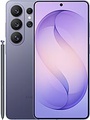
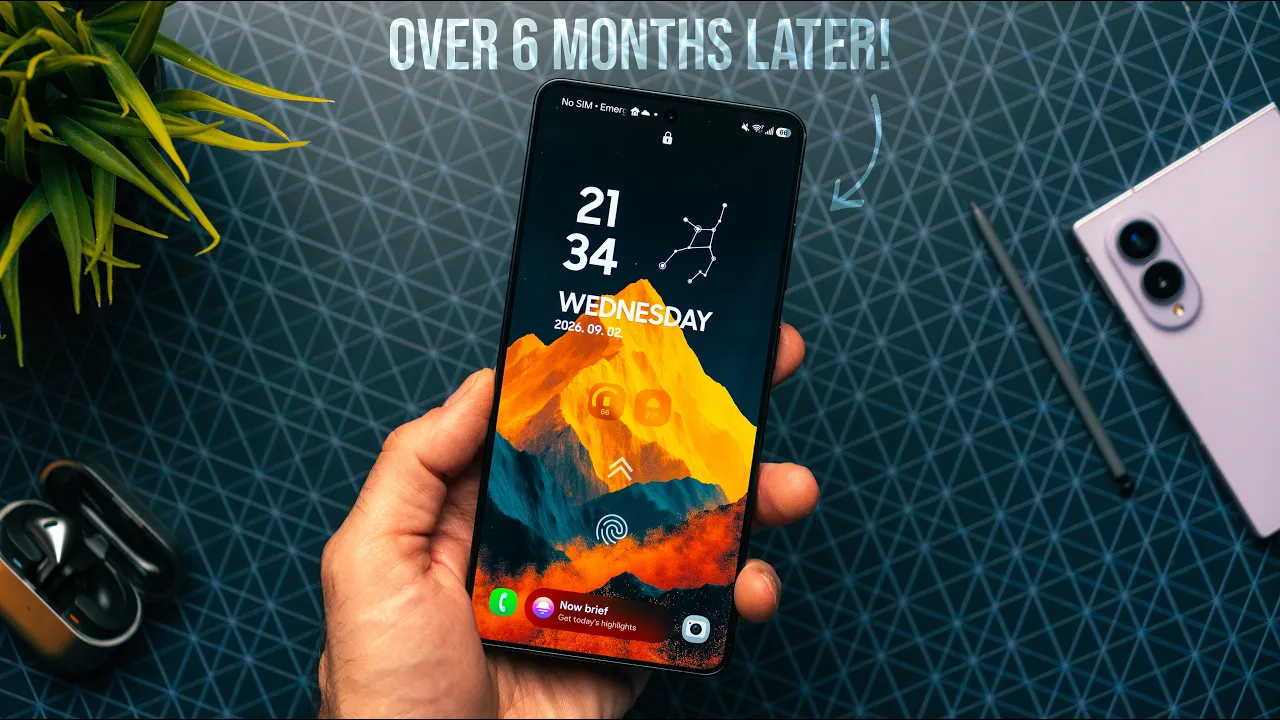
As the tech world looks ahead to 2026, the rumor mill is already churning with details about Samsung's next flagship behemoth. Fresh leaks from tipsters and official software hints paint a picture of the Galaxy S26 Ultra as a device poised for significant refinement across its display, camera, performance, and design. While official details remain under wraps, the emerging specifications suggest Samsung is focusing on efficiency, user privacy, and a more polished user experience to set the pace for the Android flagship market in the coming year.
A New Display Focused on Efficiency and Privacy
The Galaxy S26 Ultra is tipped to feature a next-generation M14 OLED panel, which is reported to be 20-30% more power-efficient than the M13 technology used in its predecessor. While this could enable higher peak brightness, Samsung is said to be prioritizing the energy savings this new tech brings. More intriguingly, the display is expected to debut an integrated "Privacy Display" function. This feature, hinted at within Samsung's own One UI 8.5 software, works by intentionally restricting viewing angles, making it difficult for anyone looking from the side to see sensitive information on the screen—a practical upgrade for users frequently in crowded spaces.
Rumored Galaxy S26 Ultra Specifications vs. S25 Ultra (Estimated)
| Feature | Galaxy S26 Ultra (Rumored) | Galaxy S25 Ultra (For Reference) |
|---|---|---|
| Display | M14 OLED, Privacy Display feature | M13 OLED |
| Main Camera Aperture | f/1.4 (rumored) | f/1.7 |
| 5x Tele Camera Aperture | f/2.9 (rumored) | f/3.4 |
| Front Camera Lens | 22mm (wider, rumored) | Not specified |
| Wired Charging | 60W Super-Fast Charging 3.0 (rumored) | 45W |
| Processor | Snapdragon 8 Elite Gen 5 (3nm/2nm) | Snapdragon 8 Gen 4 "For Galaxy" |
| RAM Speed | LPDDR5X @ 10.7Gbps | LPDDR5X |
| Battery Capacity | 5100-5400mAh (rumored) | 5000mAh |
| Thickness | 7.9mm (rumored) | 8.2mm |
| Key New Software | Camera Assistant controls (One UI 8.5), Autofocus Transition Speed for video |
Camera System Gets Smarter and More Capable
Samsung's camera philosophy appears to be shifting from sheer megapixel counts to smarter, more controlled photography. The main and 5x telephoto sensors are rumored to receive wider apertures (f/1.4 and f/2.9, respectively), which should significantly improve low-light performance by capturing more light. New lens coatings aim to combat lens flare and improve color accuracy, particularly for skin tones. Perhaps the most user-focused upgrades are found in software: new Camera Assistant features in One UI 8.5 will reportedly allow users to reduce Samsung's signature over-sharpening and gain manual control over autofocus transition speed during video recording, enabling either fast snaps for action or slow, cinematic rack focuses.
Performance and Charging See Meaningful Boosts
Under the hood, the S26 Ultra is expected to be powered by the cutting-edge Snapdragon 8 Elite Gen 5 chipset, likely built on an advanced 3nm or even 2nm process for gains in both power and efficiency. It will be paired with faster LPDDR5X RAM running at 10.7Gbps, which is said to reduce shutter lag by accelerating AI-powered multi-frame HDR processing by up to 25%. After six years of a 5000mAh capacity, the battery may finally grow to somewhere between 5100mAh and 5400mAh. Crucially, wired charging is rumored to jump from 45W to 60W, promising a 50% charge in under 15 minutes.
A Refined, Thinner Physical Design
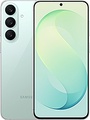
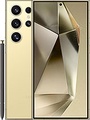
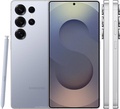
Leaked imagery from system software suggests a subtle but noticeable design evolution. The Galaxy S26 Ultra is depicted with more rounded corners and slimmer bezels compared to the S25 Ultra, increasing the screen-to-body ratio. Despite the potential for a larger battery, the phone is rumored to be thinner at 7.9mm. The physical layout remains familiar, with a multifunction side button for power or AI assistant activation, though the front camera cutout may be slightly larger to accommodate a wider 22mm lens for group selfies.
With an expected unveiling around late February 2026, the Galaxy S26 Ultra is shaping up to be an iterative yet substantial update. By targeting specific pain points like charging speed, screen privacy, and camera processing, Samsung seems focused on delivering a more refined and user-centric flagship experience that will likely influence the entire high-end Android landscape for the rest of the year.