In a significant move towards proactive digital healthcare, Samsung is preparing to unveil a groundbreaking feature that leverages the sensors in its smartphones and wearables to monitor cognitive health. This initiative represents a shift from reactive to preventative care, using the devices we carry every day to potentially identify early warning signs of serious conditions like dementia before they become more pronounced.
Samsung's Brain Health Feature Explained
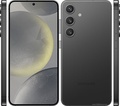
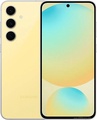
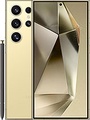
Samsung's upcoming Brain Health feature is designed to analyze a user's daily activities through data collected by their Galaxy smartphone and smartwatch. The system monitors three key behavioral metrics: changes in voice patterns, alterations in gait or walking style, and sleep quality and patterns. By establishing a baseline for a user's normal behavior, the software can detect subtle deviations that may indicate early cognitive decline. The company plans to demonstrate this technology in an experience zone at CES 2026, which kicks off in early January in the United States.
Key Data Points for Samsung Brain Health:
- Primary Function: Early detection of cognitive decline and signs of dementia.
- Data Sources: Samsung smartphones and smartwatches.
- Metrics Analyzed:
- Voice patterns
- Gait (walking patterns)
- Sleep data
- Additional Features: Creates a customized brain training program and provides daily management tips.
- Current Status: In clinical validation trials with medical institutions.
- Public Showcase: CES 2026 (January 2026, United States).
- Release Date: Not yet announced.
- Company Stance: Positioned as a screening tool, not a replacement for professional medical diagnosis.
The Science and Potential Impact
The underlying premise is that cognitive conditions like dementia often manifest in gradual changes to speech, motor function, and sleep cycles long before a formal diagnosis is made. By continuously and passively monitoring these factors, Samsung's system could provide individuals and their families with an early alert, prompting them to seek a professional medical evaluation sooner. Following detection, the feature is reported to go a step further by generating a personalized "brain training" program and offering daily management tips, aiming to support cognitive maintenance and improvement.
A Tool, Not a Doctor: The Crucial Caveat
Samsung and industry observers are quick to emphasize a critical distinction: this is a wellness and screening tool, not a diagnostic device. The sensors in consumer electronics, while sophisticated, are not medical-grade equipment. The company states the feature is "not a replacement for a doctor." Its intended purpose is to flag potential concerns, encouraging users to consult healthcare professionals for accurate diagnosis and treatment. This approach mirrors the role of existing smartwatch features for heart health, which have successfully alerted users to irregular rhythms, leading to life-saving medical interventions.
Development and Future Availability
The Brain Health feature was developed in-house by Samsung and is currently undergoing clinical validation trials in partnership with medical institutions. This step is vital for establishing the credibility and accuracy of the algorithms. While the showcase at CES 2026 is confirmed, Samsung has not yet announced a specific release date for the feature to the public. Its integration would mark a major expansion of the health ecosystem on Samsung devices, which already includes blood pressure monitoring, electrocardiogram (ECG) readings, and irregular heart rhythm notifications.
The Broader Trend in Consumer Tech Health
Samsung's move is part of a larger industry trend where tech giants are embedding advanced health monitoring into everyday devices. By transforming smartphones and wearables into health hubs, companies are empowering users with more data about their own wellbeing. The success of such features hinges not just on technological capability but on responsible implementation—clear communication about the limits of the technology and strong guidance to seek professional medical advice. If validated, tools like Brain Health could make early intervention for cognitive health more accessible, changing how we approach long-term wellness.