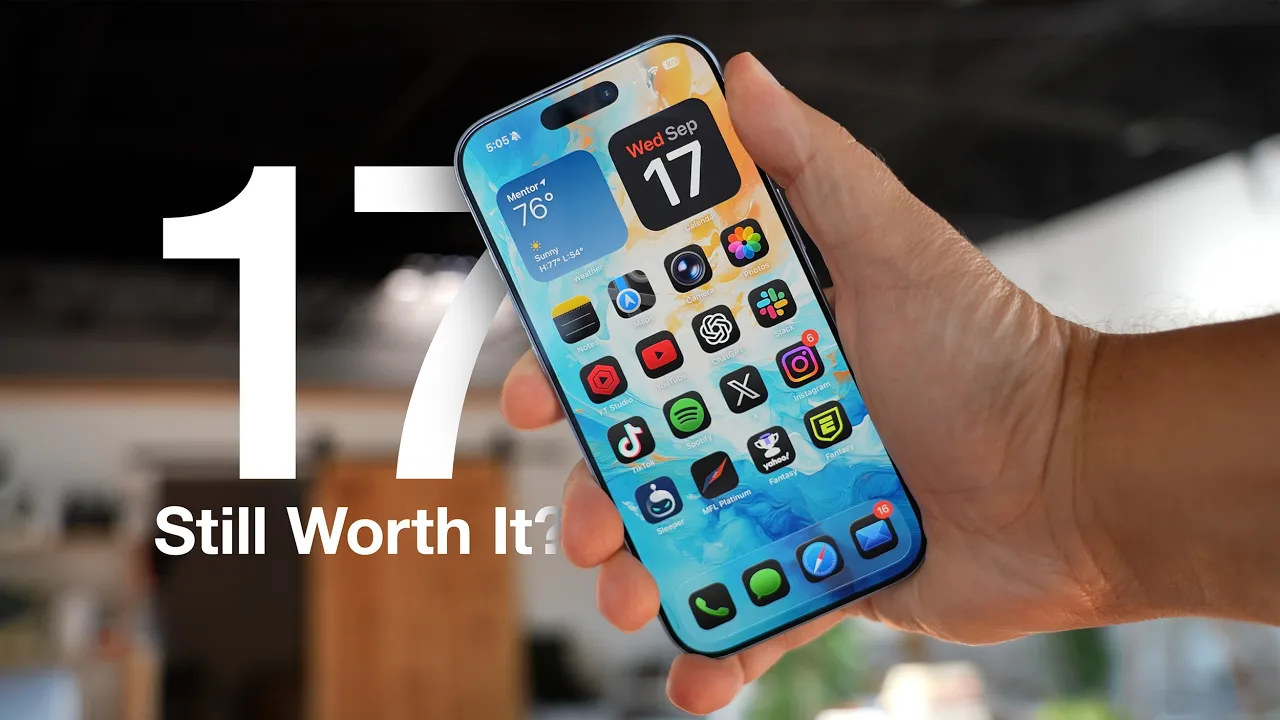
In a significant shift within the high-stakes smartphone supply chain, Apple is reportedly consolidating its memory sourcing for the upcoming iPhone 17 lineup. Faced with a tightening global DRAM market and shifting priorities among its traditional suppliers, the tech giant is turning to its chief rival, Samsung, to secure a dominant share of the critical components. This move highlights the complex interdependencies in the tech industry and the growing pressures from the AI boom on component availability for consumer electronics.
Apple's Strategic Pivot to Samsung for DRAM
According to a report from The Korea Economic Daily, Apple plans to source between 60% and 70% of the DRAM for its iPhone 17 series from Samsung Electronics. This marks a substantial increase from previous generations, where supply was more evenly split between Samsung, SK Hynix, and Micron. The primary driver behind this strategic pivot is a global memory shortage, exacerbated by the explosive demand for high-bandwidth memory (HBM) used in AI data centers. As SK Hynix and Micron have redirected significant production capacity to serve this lucrative AI market, their ability to supply large volumes of mobile-optimized LPDDR memory has become constrained. Samsung, in contrast, has maintained a strong commitment to manufacturing general-purpose and mobile DRAM, positioning itself as the most reliable partner for Apple's massive and exacting orders.
Reported iPhone 17 DRAM Supply Shift:
- Previous Supply: Split between Samsung, SK Hynix, and Micron.
- New Plan (iPhone 17): 60-70% to be supplied by Samsung.
- Key Driver: Global memory shortage and competitor focus on AI/HBM production.
The Technical Edge of Samsung's LPDDR5X
Samsung's selection is not merely a matter of availability but also of technical superiority. The report highlights that the 12GB LPDDR5X modules Samsung is supplying are the thinnest currently on the market, measuring just 0.65mm. This compact form factor is crucial for modern smartphone design. More importantly, these modules offer significant performance gains, with a 21.2% improvement in thermal resistance and a 25% boost in power efficiency compared to their predecessors. For Apple, whose A-series chips are highly sensitive to voltage fluctuations and thermal management, these enhancements are critical. Industry sources cited in the report note that Samsung is currently the only supplier capable of meeting Apple's notoriously stringent quality and consistency requirements for such high-volume production.
Samsung's 12GB LPDDR5X Specifications:
- Thickness: 0.65mm (reportedly the thinnest available).
- Performance Gains (vs. previous version):
- Thermal Resistance: +21.2%
- Power Efficiency: +25%
The Ripple Effects of the Memory Shortage
The ongoing memory crunch is having a tangible impact on the broader electronics market. The price of the 12GB LPDDR5X modules used in devices like the iPhone Air and iPhone 17 Pro has reportedly surged from around USD 30 at the start of 2025 to approximately USD 70. While Apple's practice of securing supply through long-term contracts typically insulates it from short-term volatility, the magnitude of this price hike is forcing strategic adjustments. The report from the International Data Corporation (IDC) suggests that budget smartphones, particularly from Chinese manufacturers like Xiaomi and Oppo, will see noticeable price increases in 2026. In contrast, giants like Apple and Samsung, which secure memory supply 12-24 months in advance, may face more marginal cost adjustments. The shortage is also beginning to affect the availability and pricing of other PC components, including GPUs and hard disk drives.
Reported Market Impact & Pricing:
- Module Price Increase: 12GB LPDDR5X price rose from ~USD 30 (early 2025) to ~USD 70 (December 2025).
- Expected Outcome: Budget phone prices to increase in 2026; major players like Apple/Samsung better insulated due to long-term supply agreements.
- Broader Effect: Shortage also impacting GPU and HDD availability and cost.
A Complex Alliance in a Competitive Landscape
This deepened supply relationship underscores the complex nature of competition in the tech industry. While Apple and Samsung are direct rivals in the global smartphone arena, they remain deeply interdependent in the component supply chain. Apple already relies on Samsung for key parts like displays, and this expansion into memory solidifies that partnership further. For Samsung, supplying a competitor with a critical advantage is balanced by the immense, stable revenue stream from one of the world's largest electronics buyers. As the memory shortage is projected to last well into 2027, this alliance will be crucial for Apple's product roadmap, likely extending to the iPhone 18 series in 2026. The situation is a clear indicator of how strategic supply chain management has become as important as product innovation in maintaining market leadership.