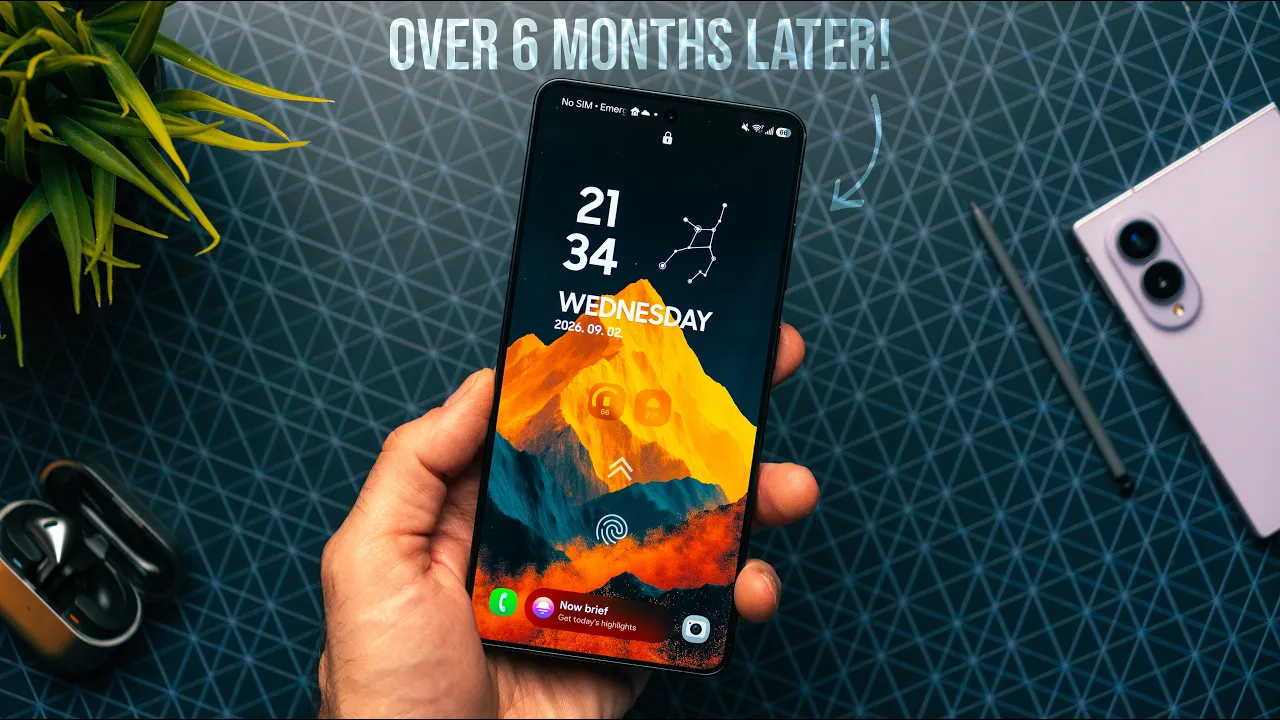
The launch of Samsung's next flagship smartphone, the Galaxy S26, is being overshadowed by a critical supply chain crisis. With mass production deadlines approaching, the company is facing severe shortages and skyrocketing prices for the LPDDR5X mobile DRAM essential to the device's performance. This has triggered an unprecedented, high-stakes negotiation between Samsung's top mobile executive and a key memory supplier, setting the stage for potential delays and significant price increases for consumers.
Samsung's High-Stakes CES Meeting with Micron
In a highly unusual move, Samsung Electronics President and Head of the DX (Device eXperience) Division, TM Roh, is scheduled to hold an urgent meeting with Micron Technology CEO Sanjay Mehrotra on the opening day of CES 2026 in Las Vegas, USA. Such direct, negotiation-focused talks between top executives are rare at major trade shows, which are typically reserved for product showcases and broader industry networking. The urgency stems from Samsung's struggle to secure a stable supply of LPDDR5X DRAM modules for its upcoming Galaxy S26 series, with the smartphone's launch window in early 2026 rapidly approaching.
Key Meeting Details:
- Participants: TM Roh (President, Samsung DX Division) & Sanjay Mehrotra (CEO, Micron Technology)
- Event: CES 2026
- Location: Las Vegas, USA
- Date: Opening day (January 2026)
- Purpose: Urgent negotiation for LPDDR5X DRAM supply for Galaxy S26.
The Root Cause: AI Server Demand Squeezes Mobile Supply
The core of the supply crisis lies in a dramatic shift in the global semiconductor market. Memory manufacturers like Micron and Samsung's own DS (Device Solutions) division are prioritizing production for the high-margin AI server segment, which consumes vast quantities of high-bandwidth memory. This relentless demand from data centers has created a severe shortage for consumer electronics components. As a result, the supply available for smartphones has tightened considerably, forcing manufacturers like Samsung into a fierce competition for a limited pool of memory chips.
Soaring Costs Create Budgetary Pressure
The supply constraint has led to an extraordinary surge in memory prices, placing immense financial pressure on Samsung's Mobile eXperience (MX) Division. Industry reports indicate that the price for a 12GB LPDDR5X module, a key component for flagship phones, has skyrocketed from approximately USD 30 earlier in the year to nearly USD 70 by late November 2025. This more than doubling in cost comes atop already increased expenditures for application processors, severely straining the division's budget for the Galaxy S26. To compound the issue, memory suppliers are now favoring short-term, quarterly supply agreements over long-term contracts to capitalize on the rising market, adding a layer of pricing uncertainty.
Key Price Increase Data:
- LPDDR5X 12GB Module Price:
- Early 2025: ~USD 30
- Late November 2025: ~USD 70
- Estimated Increase: Over 130%.
Internal Challenges and Strategic Shifts
Samsung faces additional internal complexities. While its DS division is advancing next-generation LPDDR6 technology, its commercial deployment for smartphones like the S26 appears unlikely in the immediate timeframe. Furthermore, the company's reported decision to limit the adoption of its in-house Exynos 2600 chipset means the MX division must procure more expensive third-party processors, further tightening its financial flexibility for memory negotiations. Reports suggest that in response to these cost pressures, Samsung has already made adjustments to the S26's specifications, scaling back some planned upgrades in an effort to control the final bill of materials.
Reported Internal Samsung Adjustments for Galaxy S26:
- Specification "Nerfing": Scaling back of some planned hardware upgrades to control costs.
- Limited Exynos 2600 Adoption: Reducing use of in-house application processor, increasing reliance on more expensive third-party chips.
- Procurement Strategy: Facing difficulty securing long-term supply agreements (LTAs), forced into short-term quarterly contracts.
The Likely Outcome for the Galaxy S26 and Consumers
The culmination of these factors points directly to a more expensive product for end-users. Industry analysts and sources widely suggest that the Galaxy S26 series will see a noticeable price increase compared to its predecessor, the S25. The high-level meeting at CES is a critical attempt by Samsung to secure not just supply, but also to negotiate a more favorable price point to mitigate this inevitable hike. The outcome of these talks will directly influence the stability of the S26's supply chain and its final retail cost. This situation starkly illustrates how the explosive growth of artificial intelligence is creating ripple effects, directly impacting the availability and price of mainstream consumer technology.