The smartphone market's competitive landscape is undergoing a significant shift, as revealed by the latest industry sales data. For the third quarter of 2025, a new report from Counterpoint Research shows a market increasingly polarized between two giants. While Apple continues its stronghold on the premium segment, Samsung has found remarkable success by focusing its efforts on the more affordable end of the spectrum, leading to a complete duopoly in the top ten best-selling models. This analysis delves into the numbers, the strategies behind them, and what this means for the future of smartphone competition.
Apple's iPhone 16 Series Maintains a Firm Grip on the Premium Market
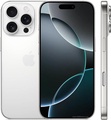
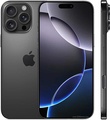
Apple's performance in Q3 2025 was nothing short of dominant. The tech giant secured the top four positions on the best-selling list, all occupied by models from the previous-generation iPhone 16 series. The base iPhone 16 was the single best-selling smartphone globally for the quarter, maintaining its first-place position for the third consecutive quarter with a notable 4% volume share. This sustained success is particularly striking as it occurred during the typical seasonal decline ahead of a new model launch. The iPhone 16 Pro, iPhone 16 Pro Max, and iPhone 16e rounded out the top four, demonstrating the enduring appeal of Apple's flagship ecosystem. Even the newly released iPhone 17 Pro Max managed to crack the top ten at spot number ten, despite going on sale near the very end of the quarter on September 19th, signaling robust initial demand for Apple's latest premium offering.
Top 10 Best-Selling Smartphones, Q3 2025 (Counterpoint Research)
| Rank | Model | Manufacturer | Series/Type |
|---|---|---|---|
| 1 | iPhone 16 | Apple | Premium (Previous Gen) |
| 2 | iPhone 16 Pro | Apple | Premium (Previous Gen) |
| 3 | iPhone 16 Pro Max | Apple | Premium (Previous Gen) |
| 4 | iPhone 16e | Apple | Premium (Previous Gen) |
| 5 | Galaxy A16 5G | Samsung | Mid-Range/Budget |
| 6 | Galaxy A06 | Samsung | Budget |
| 7 | Galaxy A36 | Samsung | Mid-Range |
| 8 | Galaxy A56 | Samsung | Mid-Range |
| 9 | Galaxy A16 4G | Samsung | Budget |
| 10 | iPhone 17 Pro Max | Apple | Premium (New Gen) |
Samsung's Strategy Shifts Entirely to the Galaxy A-Series
In a dramatic contrast, Samsung's presence on the list was built entirely on the foundation of its mid-range and budget Galaxy A-series. The company claimed spots five through nine, with not a single flagship S-series model making the top ten—a notable change from Q3 2024, where the Galaxy S24 had secured a place. The best-selling Android phone of the quarter was the Galaxy A16 5G, leading a pack that included the Galaxy A06, A36, A56, and the 4G variant of the A16. This clean sweep by its A-series indicates a strategic pivot where Samsung is capturing volume and market share by delivering compelling value, rather than competing solely on the high-end spec sheet. The absence of any Samsung phone with a wholesale price above USD 600 in the rankings highlights where the real volume battle is being won.
The Driving Forces Behind the Mid-Range Surge
Analysts point to the integration of advanced features, particularly generative AI, as a key driver for the strength of the mid-price segment. Counterpoint's report specifically cited Samsung's "Awesome Intelligence" suite—features like Object Eraser, Best Face, and Nightography—as making these devices more competitive. By bringing AI-powered capabilities traditionally reserved for flagships down to more accessible price points, Samsung is effectively bridging the user experience gap. This "smartest value proposition," as noted in the report, is resonating with consumers who prioritize practical, intelligent features over pure processing power or prestige, suggesting that the battle for market share is increasingly about democratizing technology.
Key Specifications: Samsung Galaxy A16 5G (Best-Selling Android Phone)
- SoC: Exynos 1330
- Display: 6.7-inch Super AMOLED, 1080p resolution
- Key Features: IP54 water/dust resistance, 5,000 mAh battery, microSD slot, triple-lens camera.
- Software Support: 6 years of OS and security updates.
- AI Features: "Awesome Intelligence" suite (e.g., Object Eraser, Best Face, Nightography).
A Market of Two Tiers and a Vanishing Broader Competition
The Q3 2025 report paints a picture of a market consolidating around two distinct strategies from two dominant players. Apple controls the premium tier, where brand loyalty, ecosystem integration, and perceived status drive sales of devices often costing well over USD 1000. Simultaneously, Samsung is dominating the volume-driven mid-range and budget tier with devices like the Galaxy A16 5G, which offer modern amenities like large Super AMOLED displays, multi-year software support, and now, flagship-inspired AI features. The complete absence of any other manufacturer, such as Xiaomi (whose Redmi 13C appeared in last year's list), from the top ten underscores how competition is narrowing. For consumers, this means choice at the highest and most popular price points is increasingly funneled through just two companies, potentially impacting innovation and pricing dynamics in the long term.
Market Context & Trends
- Duopoly: Apple and Samsung occupied all 10 spots in Q3 2025, a complete shutout of other brands.
- Segment Shift: No Samsung S-series flagship appeared on the list, a change from Q3 2024.
- 5G Adoption: All top 5 phones were 5G models, marking it as a key consumer preference.
- AI as a Driver: Integration of GenAI features (like Samsung's Awesome Intelligence) is cited as a major factor strengthening the mid-price segment's competitiveness.
The Future: 5G Becomes Standard, AI Defines Value
Looking ahead, the report highlights two irreversible trends. First, 5G connectivity has now become a baseline expectation. For the first time, all top five best-selling phones in Q3 were 5G-capable, signaling the technology's transition from a premium feature to a standard consumer preference globally. Second, the integration of generative AI will continue to be the primary battleground for adding value, especially in the mid-range. As Counterpoint concludes, the presence of mid-price phones in the top-sellers list is expected to remain strong, fueled by these AI advancements. The story of Q3 2025 is clear: the smartphone market is no longer just about who has the best flagship, but about who can most effectively spread the intelligence of a flagship across their entire portfolio.