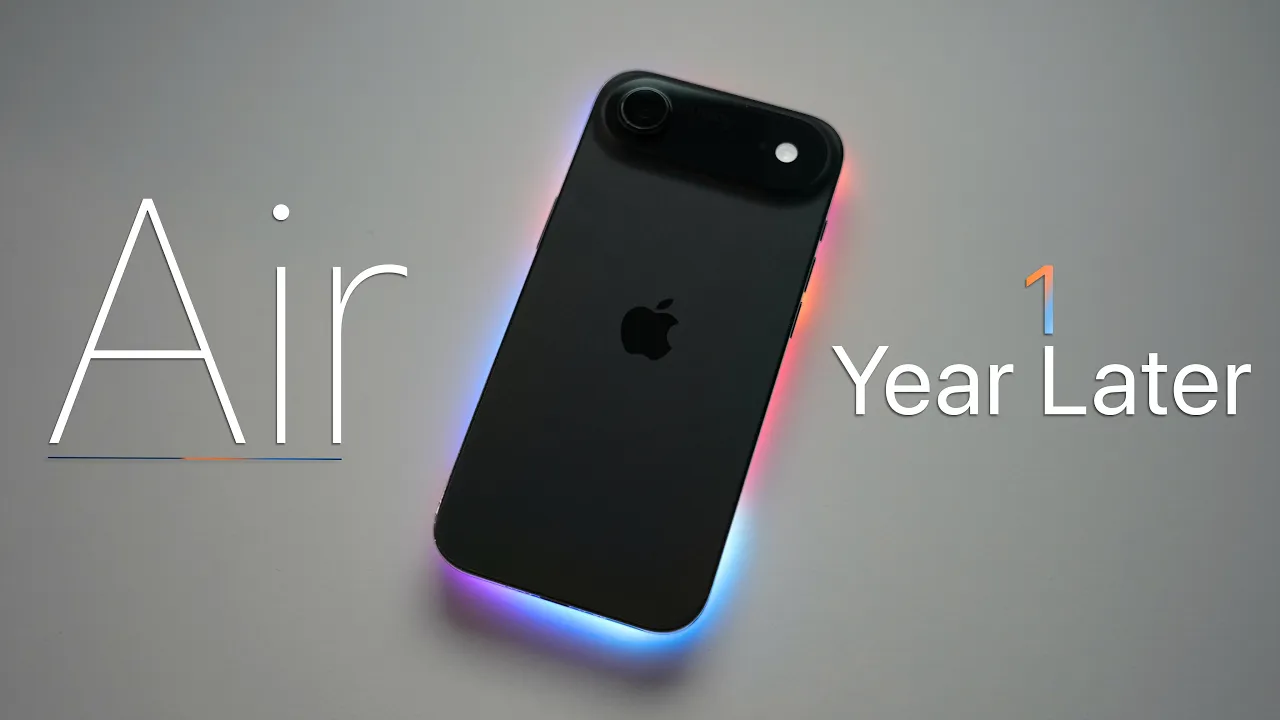

Apple's latest iPhone 17 lineup has been met with a mixed reception in the crucial secondary market. While the Pro models continue their tradition of strong value retention, the new ultra-slim iPhone Air is experiencing an unprecedented and rapid decline in resale value, raising questions about its market positioning and consumer appeal.
The Stark Divergence in iPhone 17 Value Retention
Data from a comprehensive ten-week analysis by SellCell, which aggregates trade-in prices from over 40 U.S. companies, reveals a dramatic split in the financial fortunes of Apple's newest devices. The standard iPhone 17 models have shown respectable resilience, depreciating an average of 34.6% since launch. This performance is notably better than the iPhone 16 series managed at the same point last year and approaches the strong retention seen with the iPhone 15 family. In contrast, the iPhone Air tells a completely different story. Its average depreciation across all storage configurations sits at a staggering 44.3%, with the highest-capacity 1TB model losing nearly half its value at 47.7%. This makes it the worst-performing iPhone configuration in the entire dataset, placing it among historically poorly received models like the iPhone 14 Plus.
iPhone 17 Series 10-Week Depreciation Comparison
| Model & Configuration | Average Depreciation |
|---|---|
| iPhone 17 Pro Max (256GB) | 26.1% |
| iPhone 17 Pro Max (512GB) | 30.3% |
| All iPhone 17 Pro / Pro Max Models | < 40.0% |
| Standard iPhone 17 Series (Average) | 34.6% |
| iPhone Air (Average across all storage) | 44.3% |
| iPhone Air (1TB configuration) | 47.7% |
| Data Source: SellCell analysis of trade-in values from over 40 U.S. companies. |
Pro Models Cement Their Premium Status
The iPhone 17 Pro and Pro Max models have reinforced their reputation as the most financially sound investments in the smartphone world. All Pro configurations maintained depreciation rates comfortably below 40%, with the 256GB iPhone 17 Pro Max leading the pack by losing just 26.1% of its value. This sustained strong demand in the second-hand market underscores a clear consumer preference for the advanced performance, camera systems, and premium materials that define the Pro tier. The data suggests that buyers, both new and used, are willing to pay a premium for these tangible benefits, viewing them as a better long-term value proposition than a radical design shift.
A Troubling Trajectory for the iPhone Air
Beyond the sheer magnitude of the value drop, the iPhone Air's depreciation curve is itself a cause for concern. Typically, iPhone depreciation begins to stabilize around the ten-week mark after launch, as seen with the standard iPhone 17 models. However, the iPhone Air's value continued to decline through the entire ten-week study period, showing no signs of plateauing. This ongoing slide indicates a lack of confidence and sustained weak demand in the secondary market, hinting at longer-term uncertainty about the device's worth. For early adopters, this translates to a significant financial hit if they attempt to trade in or sell their device, getting back far less of their initial investment compared to owners of any other new iPhone model.
Historical Context: iPhone Depreciation at 10 Weeks
- iPhone 15 Series: ~31.9% (Strongest recent performer)
- iPhone 16 Series: ~39.0%
- iPhone 17 Series: ~34.6%
- iPhone Air: ~44.3% (Weakest recent performer, comparable to iPhone 14 Plus)
Implications for Apple's Design Strategy
The rapid devaluation of the iPhone Air poses a significant challenge to Apple's latest design experiment. The data strongly implies that an ultra-thin form factor, in isolation, is not a compelling enough selling point for a broad segment of the market. Consumers in the value-conscious secondary market are clearly voting with their wallets, prioritizing the proven performance and feature sets of the Pro models over a novel physical design. This trend mirrors challenges faced by other manufacturers, such as Samsung with its Galaxy S25 Edge, suggesting a market-wide lesson that extreme design choices must be backed by commensurate technological or experiential advantages to maintain consumer interest and value.