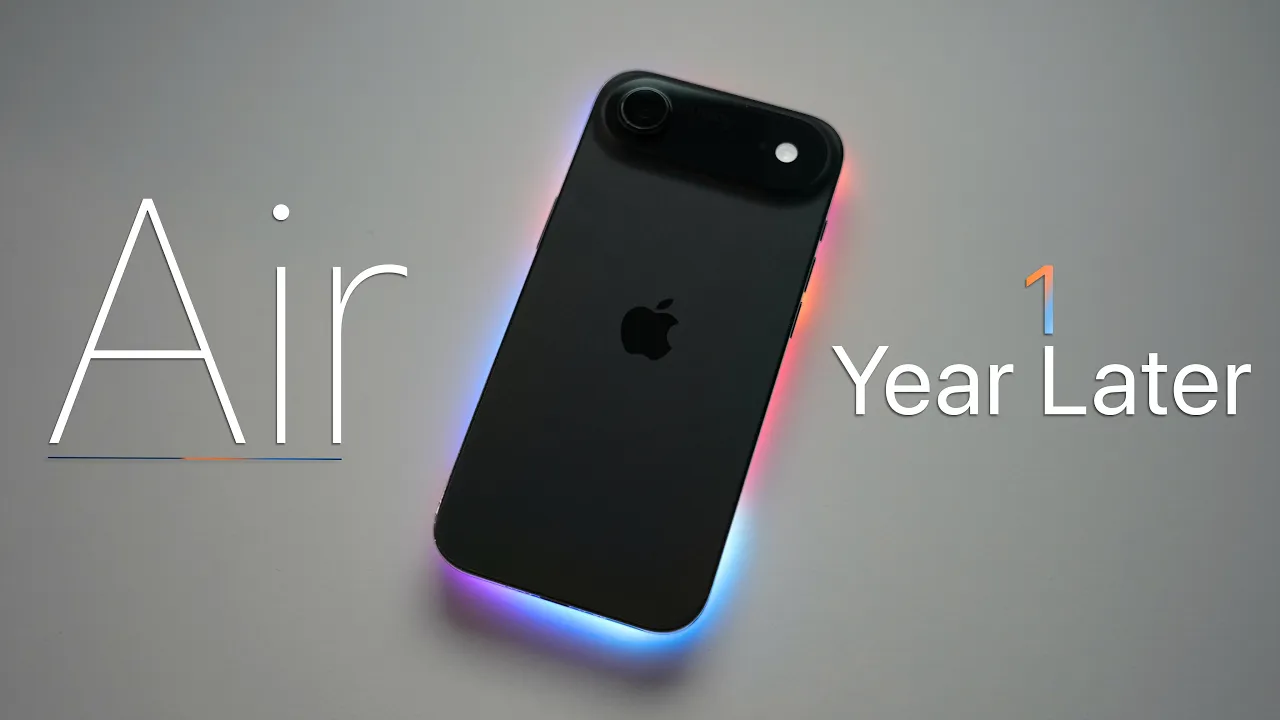
A new report on the resale value of Apple's latest smartphones reveals a stark divide within the iPhone 17 lineup. While the Pro models are holding their value relatively well, the ultra-thin iPhone Air is experiencing a dramatic and rapid depreciation, setting a concerning record for recent iPhone models and leaving early adopters facing significant financial loss.
iPhone Air Sets Record for Rapid Depreciation
According to a ten-week analysis of trade-in data by SellCell, the iPhone Air has depreciated faster than any iPhone model launched since 2022. The device's value has eroded between 40.3% and 47.7% of its initial Manufacturer's Suggested Retail Price (MSRP), depending on the storage configuration. This decline is most severe for the highest-capacity model, with the 1TB variant losing nearly half its value in under three months. For context, the USD 1,399 1TB model now fetches only around USD 668 on the used market. This rapid loss in value starkly contrasts with the performance of its siblings and suggests weak consumer demand translating directly into poor secondary market performance.
iPhone 17 Series Depreciation After 10 Weeks (SellCell Report)
| Model | Storage | MSRP | Depreciation | Current Est. Value |
|---|---|---|---|---|
| iPhone Air | 256GB | USD 999 | 40.3% | ~USD 596 |
| iPhone Air | 512GB | USD 1,199 | 45.0% | ~USD 659 |
| iPhone Air | 1TB | USD 1,399 | 47.7% | ~USD 668 |
| iPhone 17 | 256GB | N/A | 33.0% | N/A |
| iPhone 17 Pro | 256GB | N/A | 32.0% | N/A |
| iPhone 17 Pro Max | 256GB | N/A | 26.1% | N/A |
| Average for non-Air iPhone 17 models: 34.6% depreciation. |
Pro Models Demonstrate Stronger Value Retention
In a clear demonstration of market preference, the rest of the iPhone 17 series is outperforming not only the iPhone Air but also previous generations in terms of value retention. The entire non-Air iPhone 17 family averages a 34.6% depreciation over the same ten-week period. The iPhone 17 Pro Max leads the pack, with the 256GB model depreciating only 26.1%. The standard iPhone 17 Pro and base iPhone 17 models also show stronger resilience, with depreciation rates of 32% and 33% respectively for their 256GB variants. This data indicates that consumer interest and perceived value remain firmly focused on Apple's traditional Pro and standard models, rather than the new form factor.
Historical Context and Consumer Implications
When placed in a historical context, the iPhone Air's depreciation is notably worse than recent predecessors. The iPhone 16 Plus and standard iPhone 16 saw depreciations of 41.6% and 44.2% respectively in their first ten weeks last year. The iPhone 15 series remains the champion of value retention from recent years, depreciating just 31.9% in a comparable period. For consumers, this trend has immediate implications. Owners looking to upgrade next year to anticipated models like the iPhone 18 may find the trade-in value for their iPhone Air disappointingly low. Analysts suggest the depreciation is likely to continue, potentially worsening in 2026 as newer models launch and further reduce demand for the current Air.
Historical iPhone Depreciation Comparison (After 10 Weeks)
- iPhone 17 Series (Non-Air Average): 34.6%
- iPhone 16 Series (Average): 39.0%
- iPhone 15 Series (Average): 31.9%
- iPhone 14 Series (Average): 36.6% The iPhone Air (44.3% avg.) depreciates significantly faster than all these averages.
Market Signals and Future Outlook
The plummeting resale value acts as a clear market signal, corroborating reports of slowed production and lackluster sales for the iPhone Air. The data suggests that the device's technological achievements in thinness have not translated into broad market appeal or perceived long-term value. This creates a challenging cycle where low demand drives down resale value, which in turn may deter potential new buyers concerned about future device equity. For Apple, the performance highlights the risks of niche products within its flagship lineup and may influence the design and marketing focus for future generations, potentially shifting resources back toward its more consistently successful Pro and standard models.